Minna Lehtimäki
Näkijä – Kerro minulle metsästä, jota kerran kutsuit kodiksesi29.01 - 17.02.2026
Näkijä – Kerro minulle metsästä, jota kerran kutsuit kodiksesi
29.1. – 17.2.2026 | Galleria G12, Tila 2
Minna Lehtimäki on kuvataiteilija, jonka työskentely pohjautuu intuitioon ja alitajunnasta nouseviin kuviin. Näiden kautta hänen teoksensa kytkeytyvät myös karjalaiseen kulttuuriperintöön, rajantakaisiin juuriin sekä shamanistisiin ja muinaisuskon teemoihin. Hänen taiteessaan henkilökohtainen ja kollektiivinen muisti lomittuvat, ja luonto – erityisesti vesi ja metsä – toimii sekä symbolisena että henkisenä tilana.
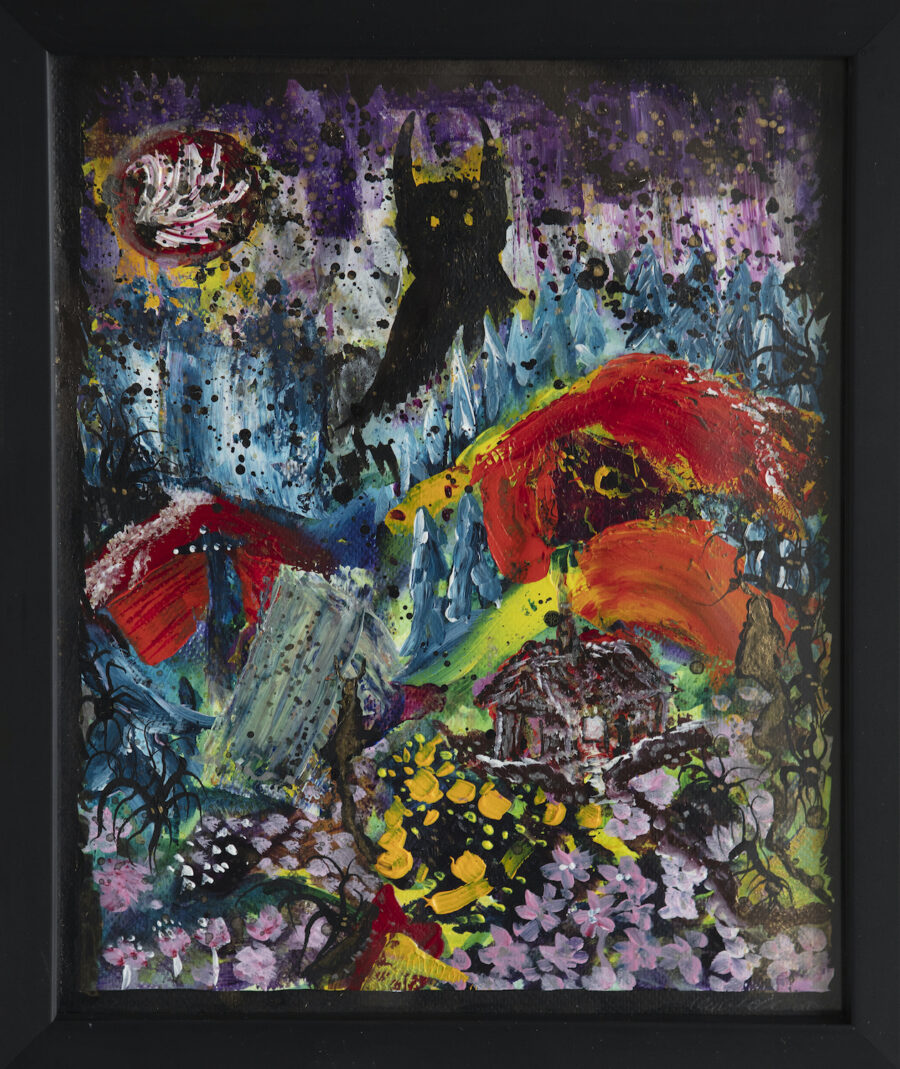
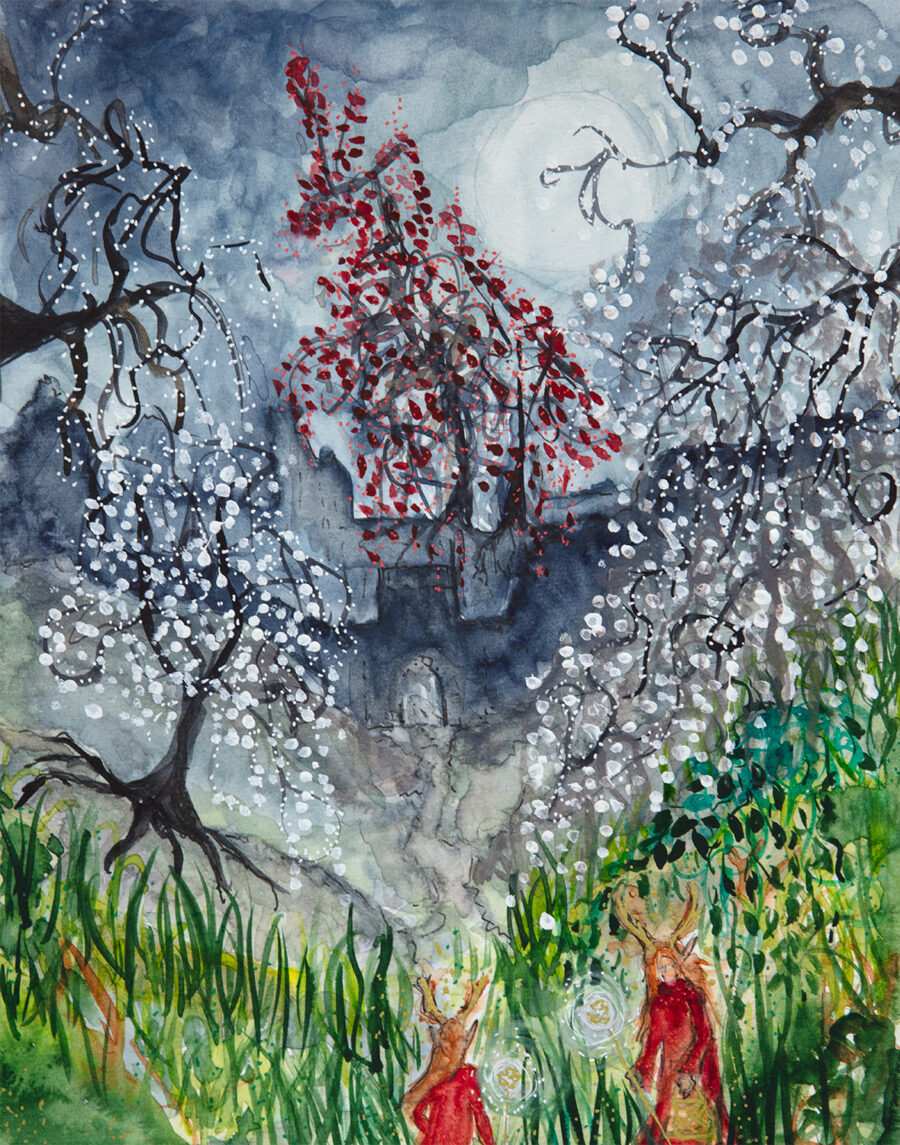
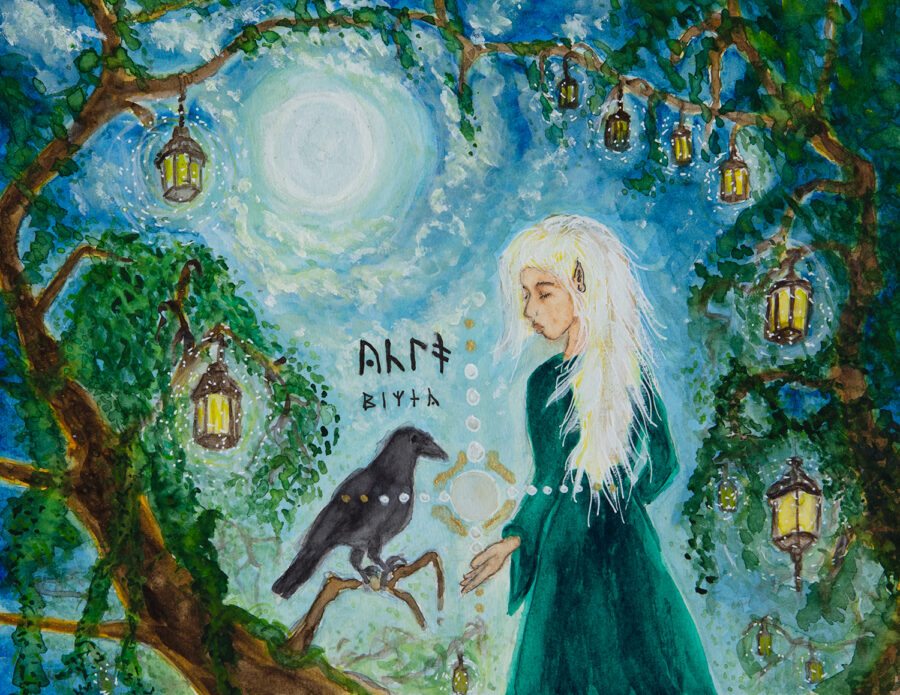
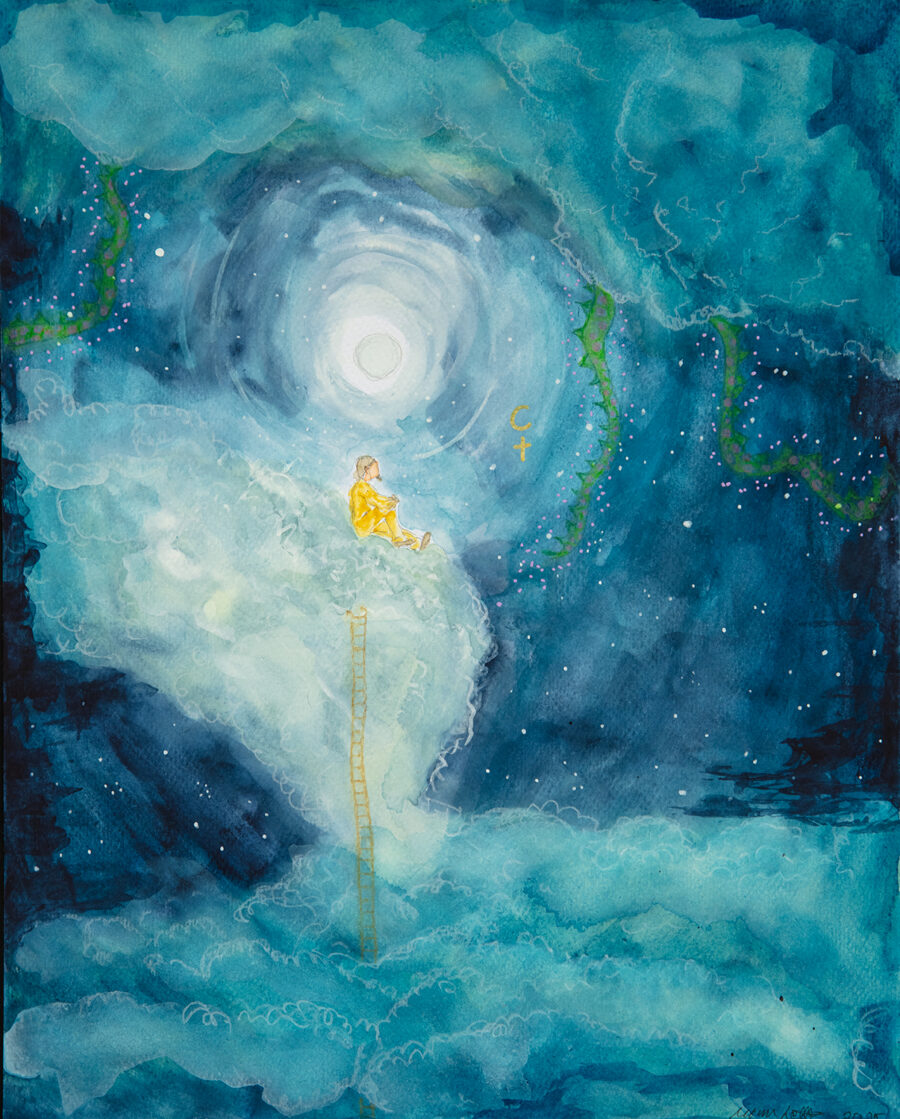
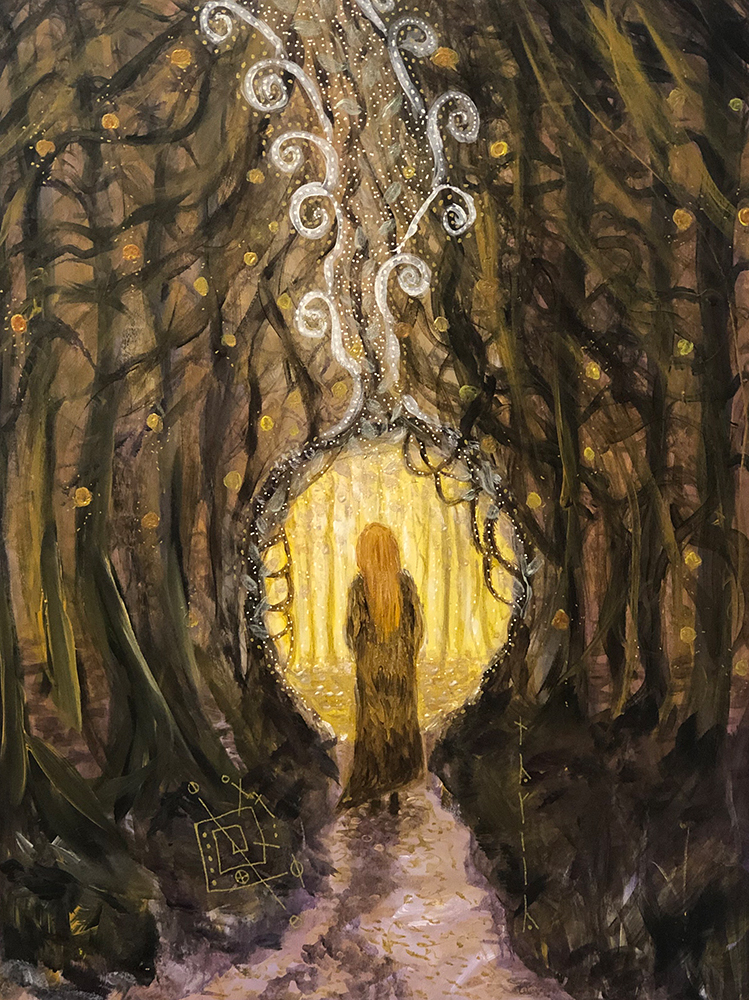
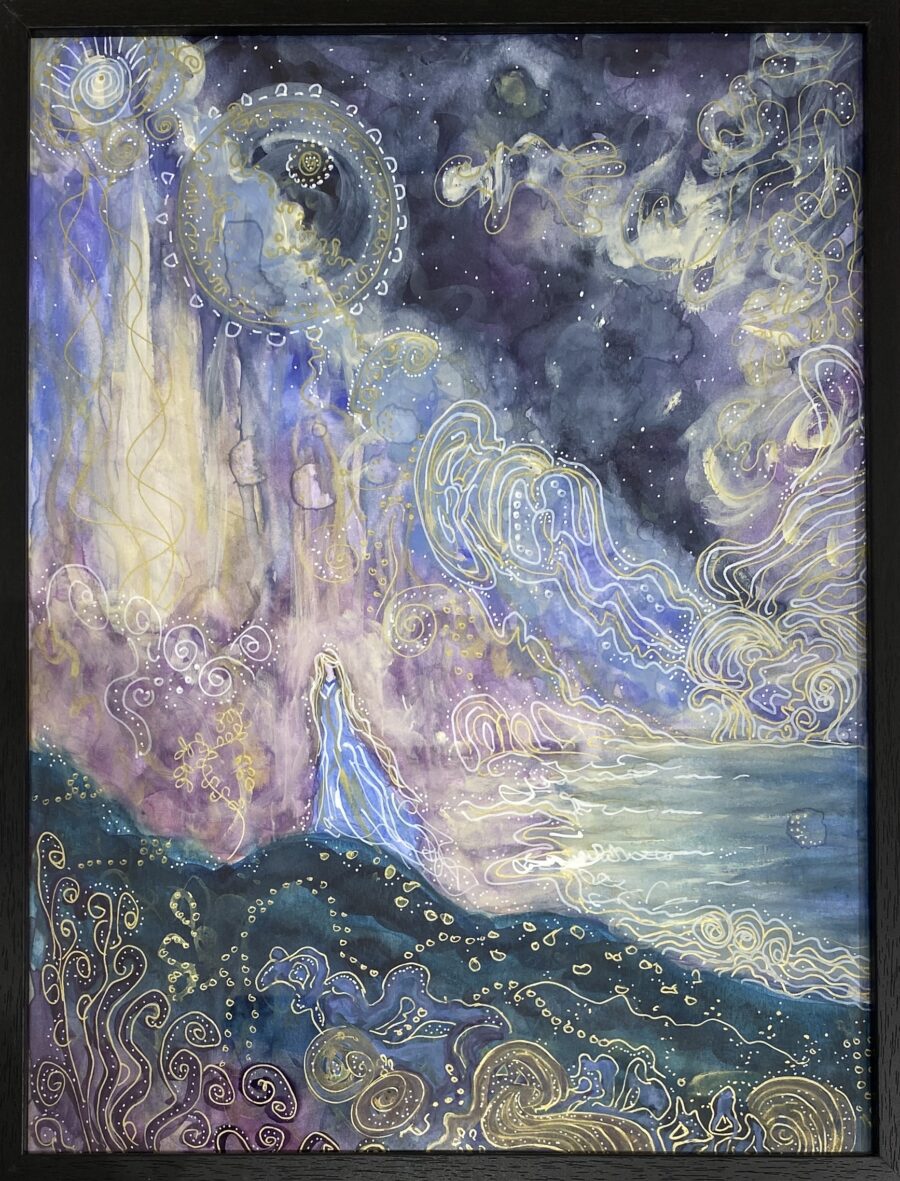
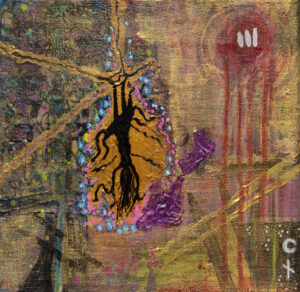
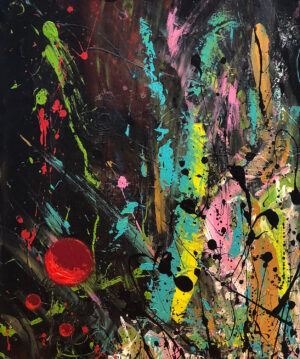
Näyttelyn teokset ammentavat intuitiivisesta prosessista, jossa alitajunta, unet ja muistijäljet ohjaavat kuvaston rakentumista. Karjalainen kulttuuri, kieli ja maisema ovat osa tätä sisäistä maisemaa: teosten nimet ovat usein karjalan kielellä, ja kuvasto viittaa suvun historiaan, shamanistisiin perinteisiin sekä muinaisuskon maailmankuvaan. Vesi esiintyy teoksissa toistuvasti Vuoksena – jokena, jonka rannalta Lehtimäen suku on joutunut lähtemään. Unikuvat toimivat monien teosten lähtökohtana, ja symboliikka on vahvasti läsnä kaikessa työskentelyssä.
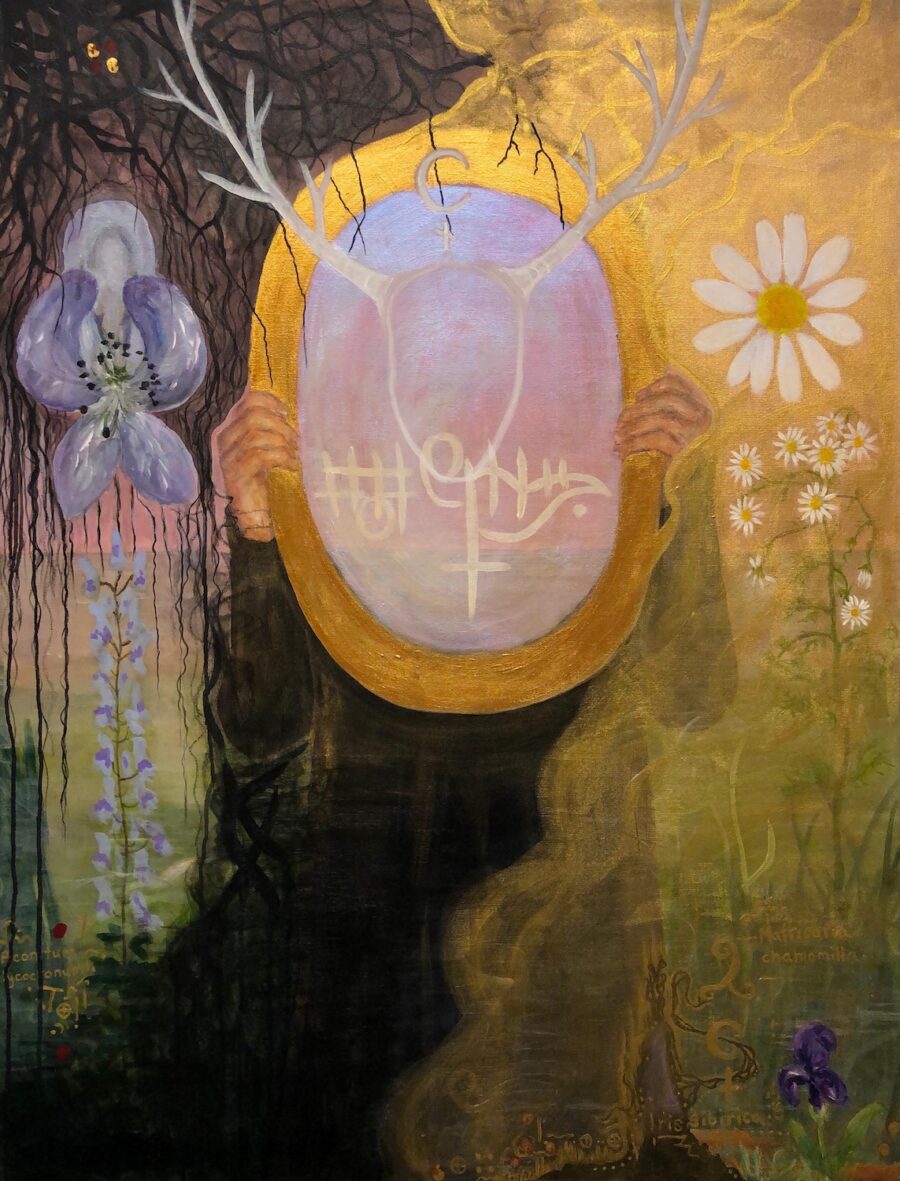
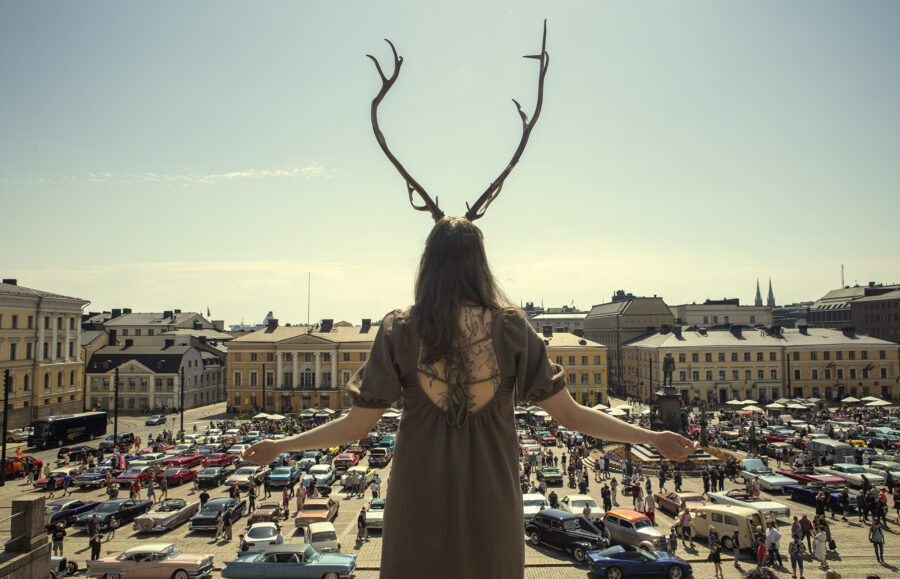
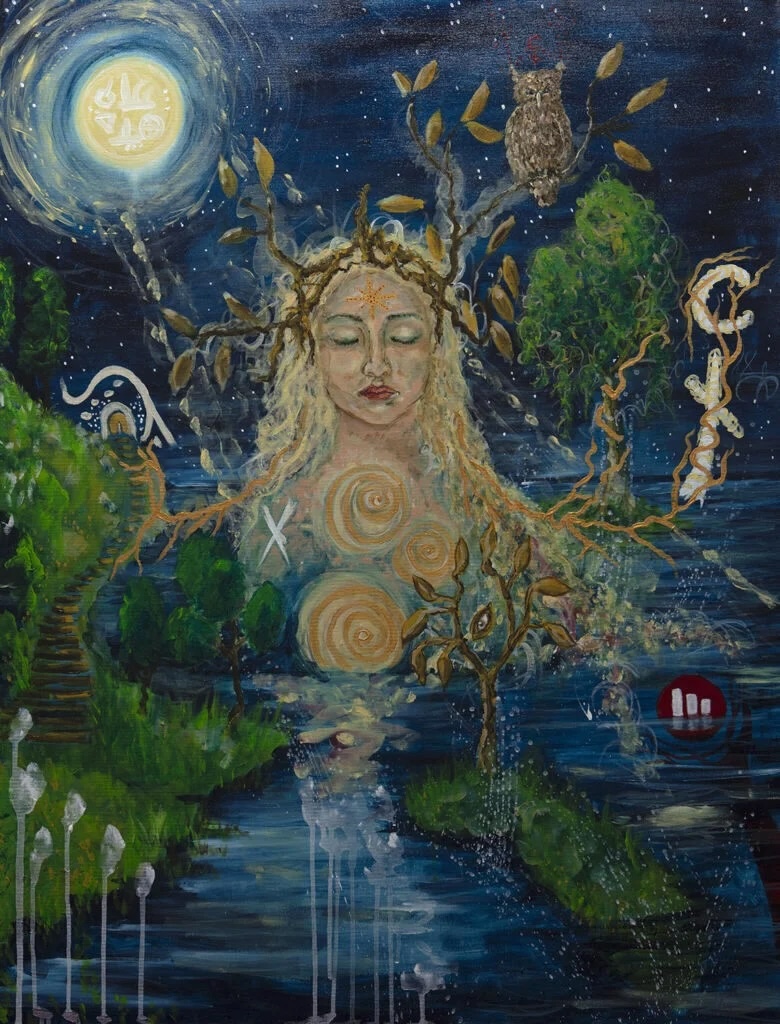
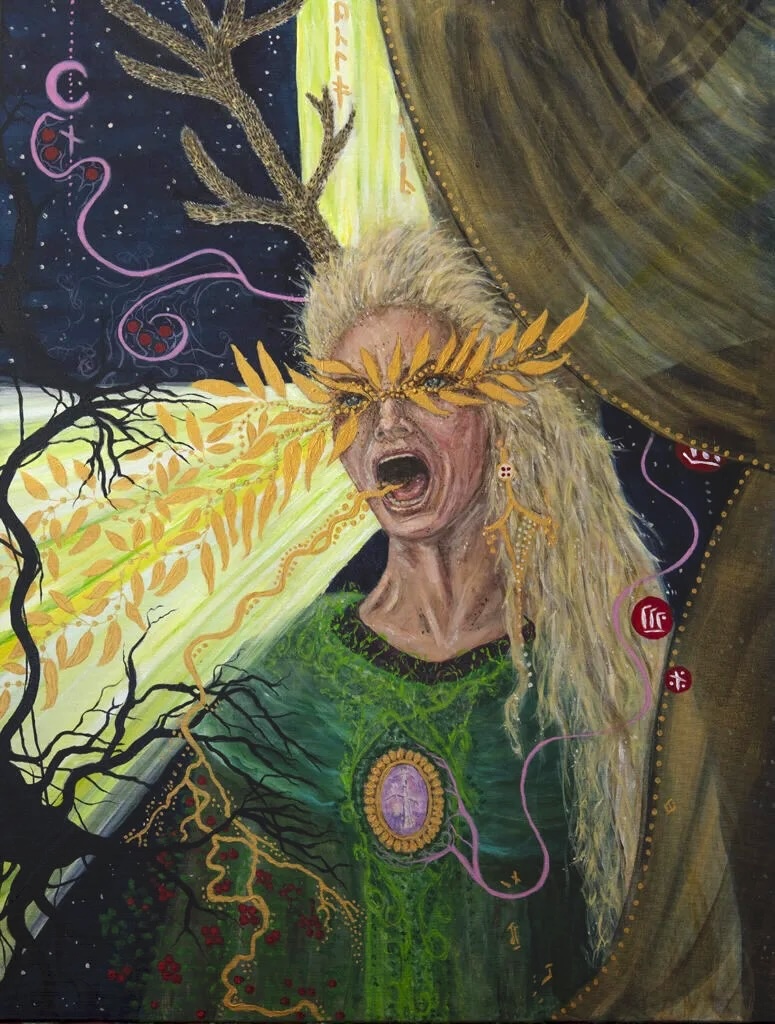
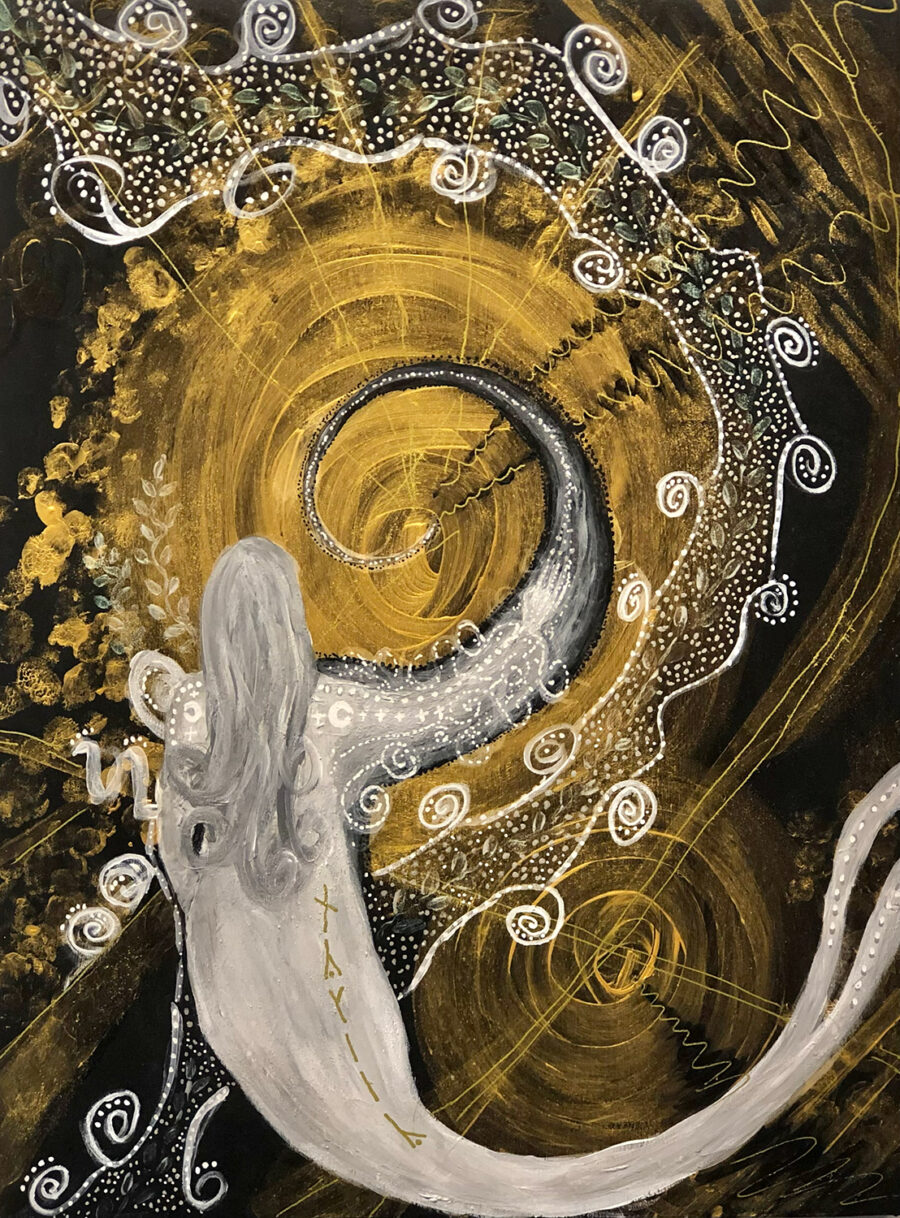
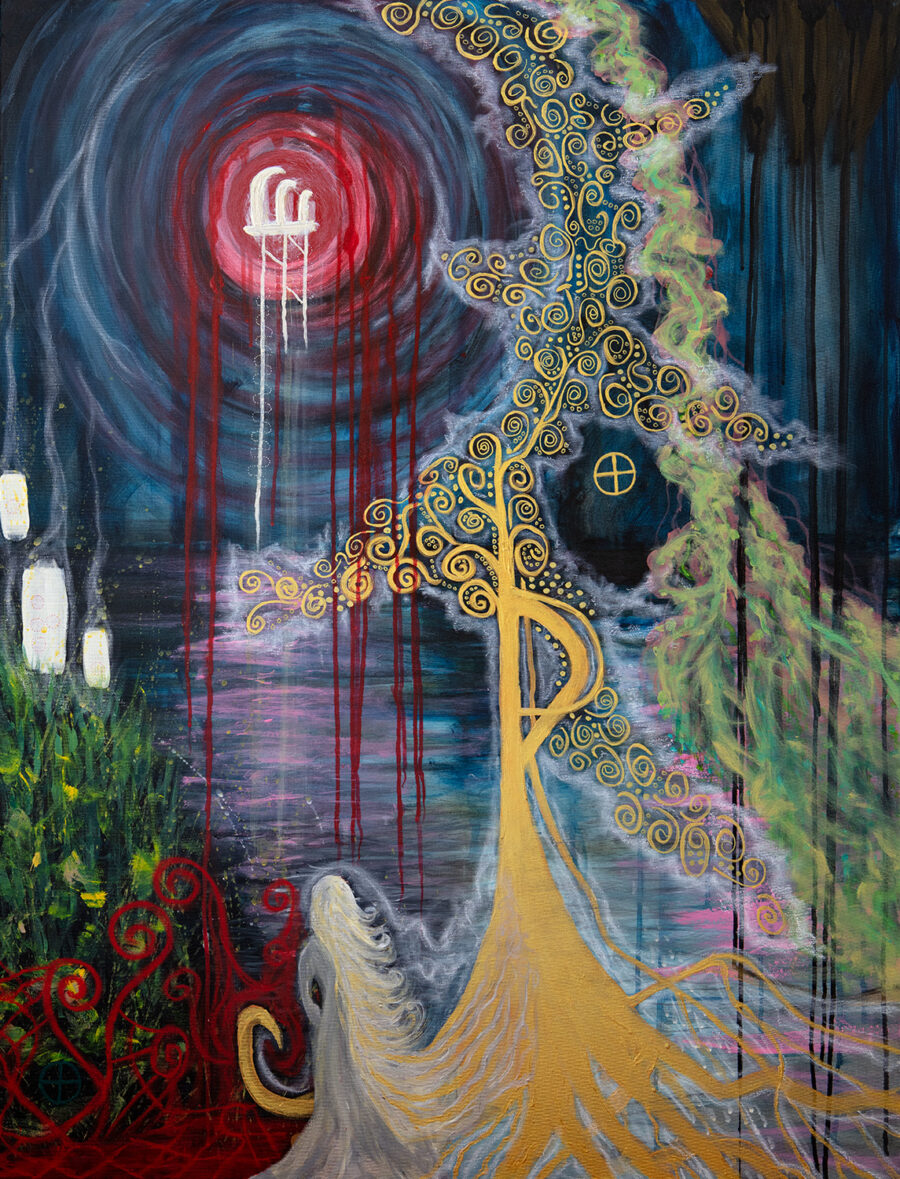
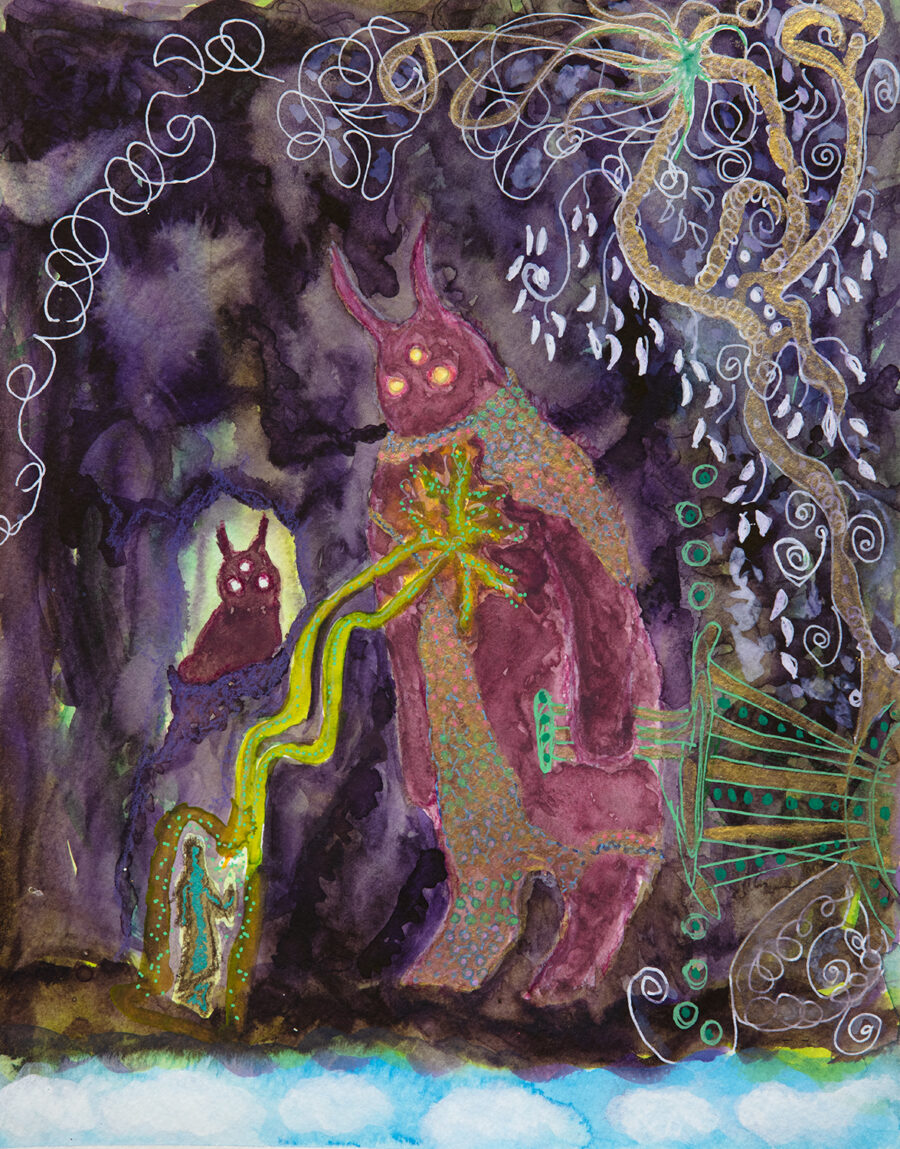
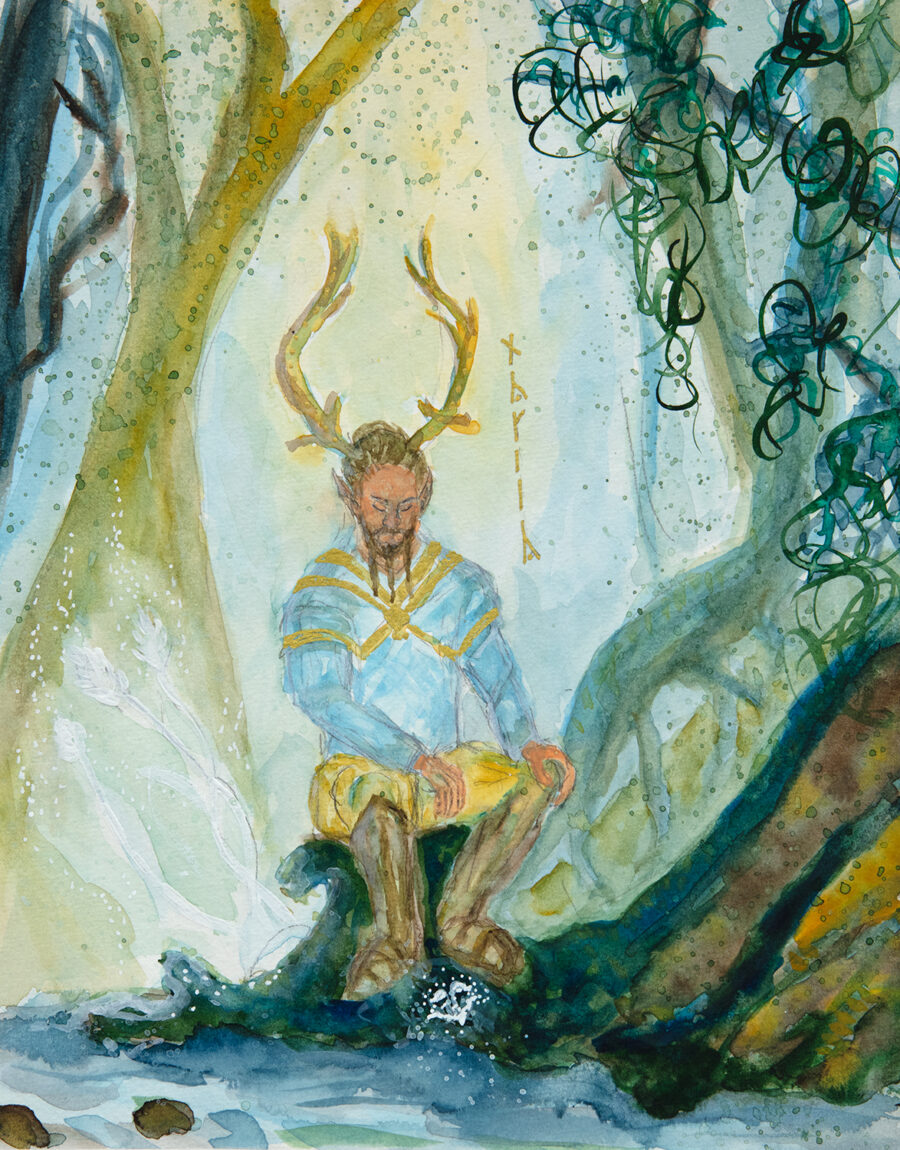
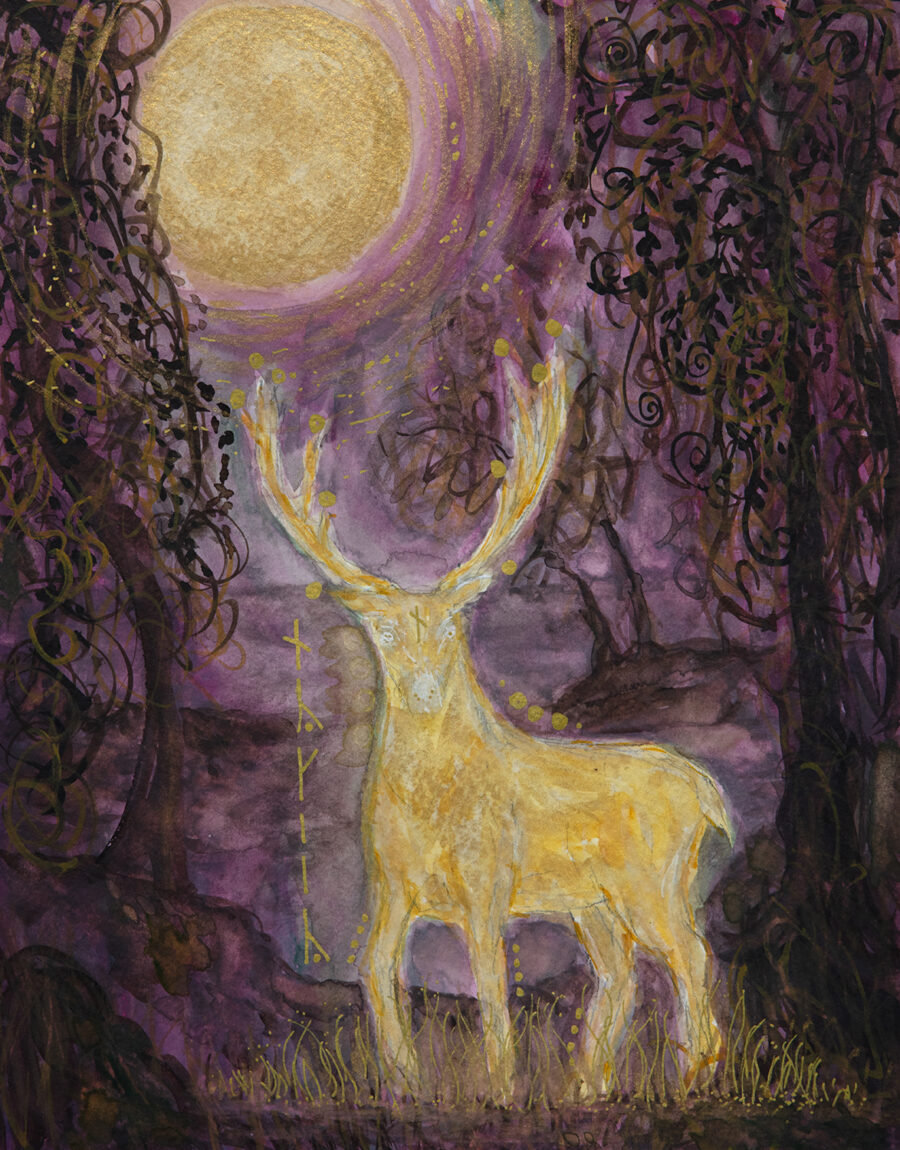
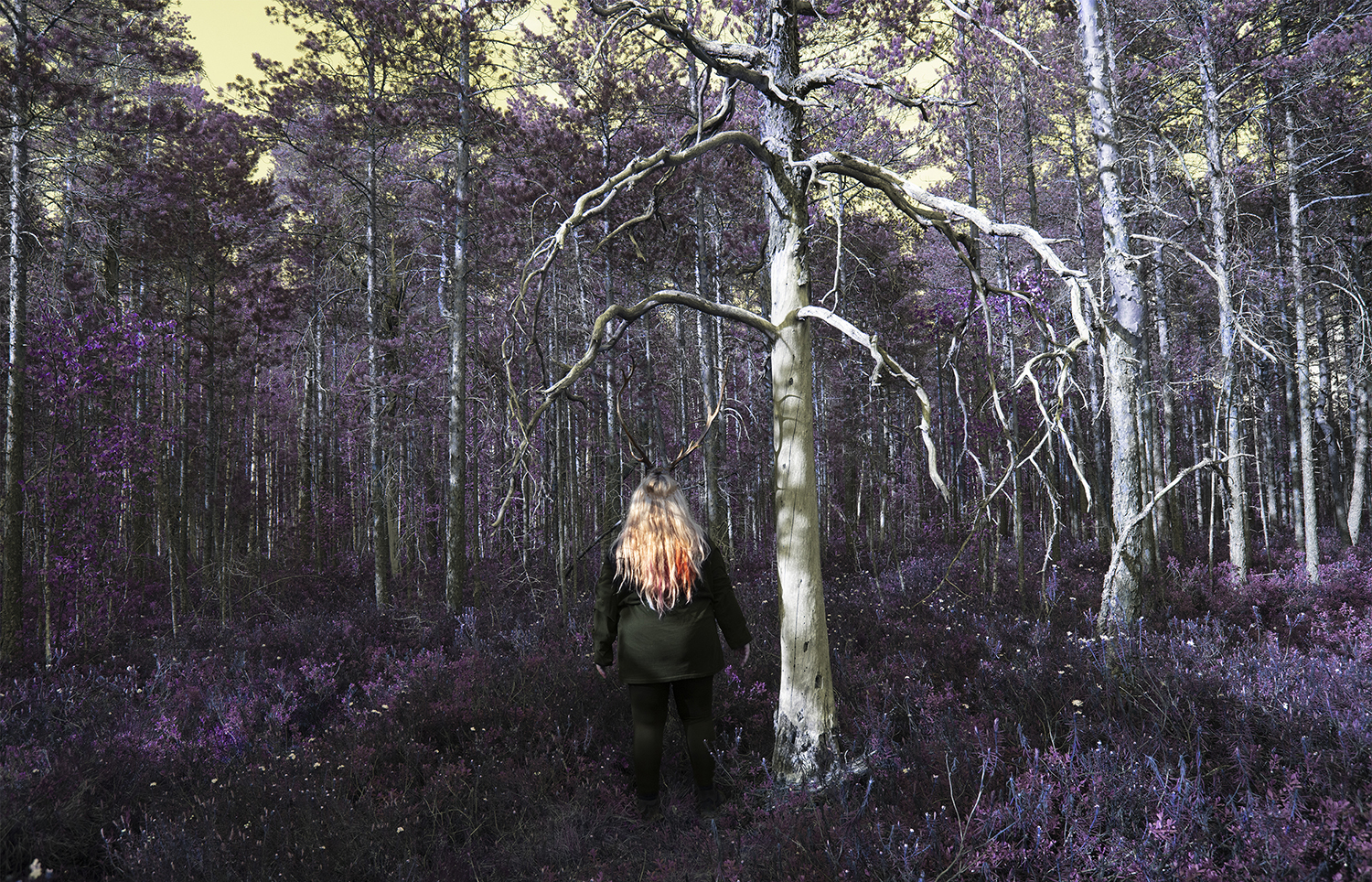
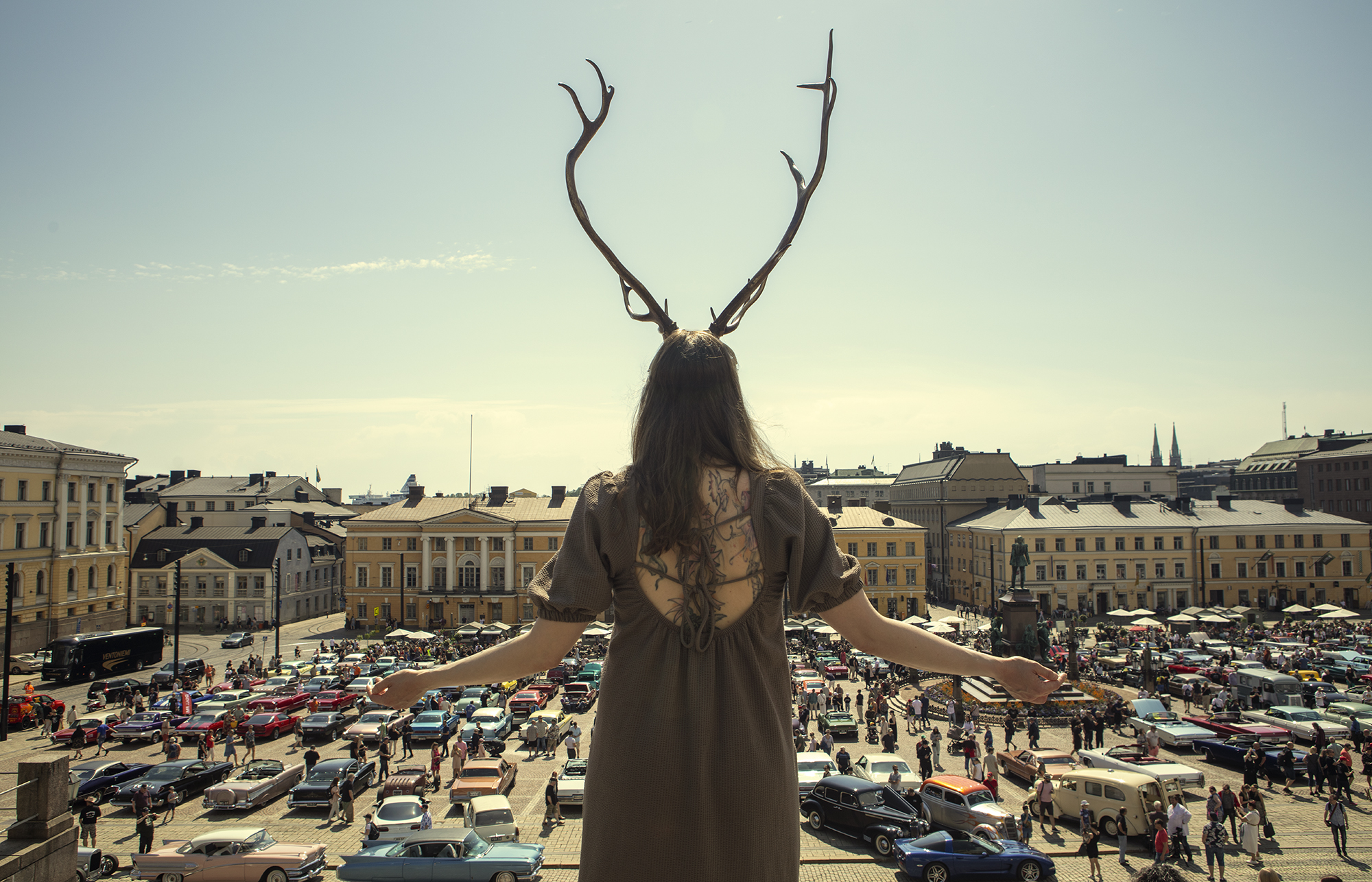
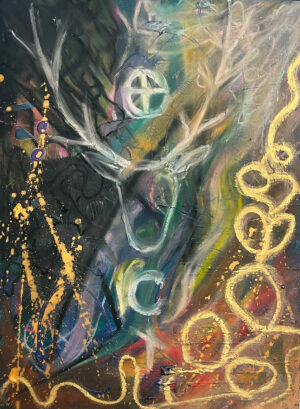
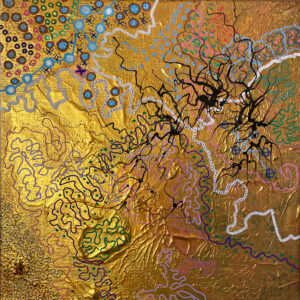
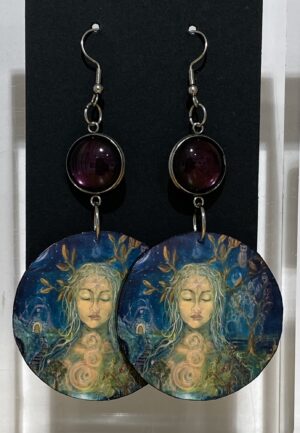
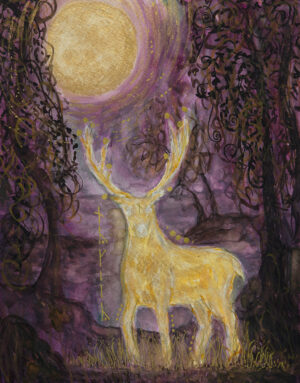
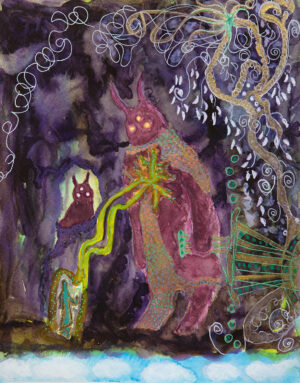
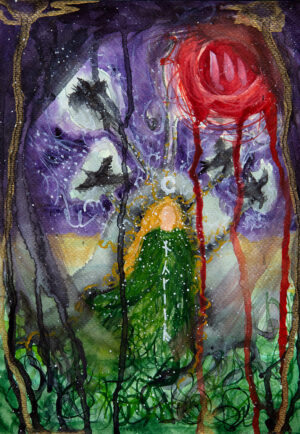
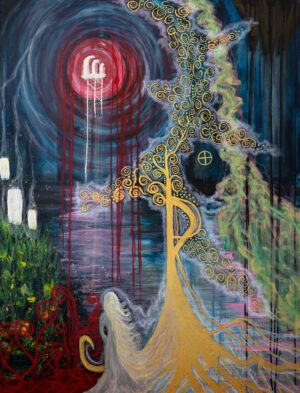
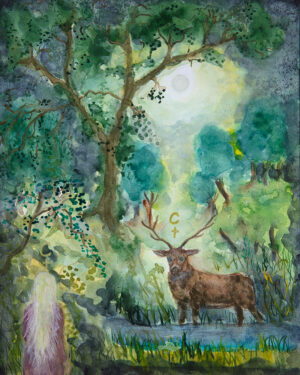
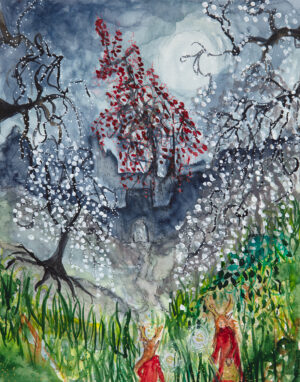
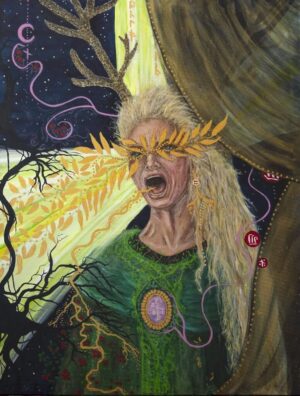
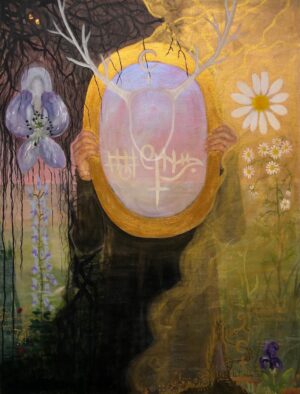
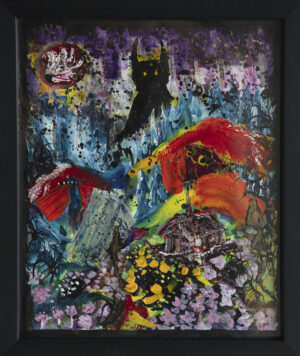
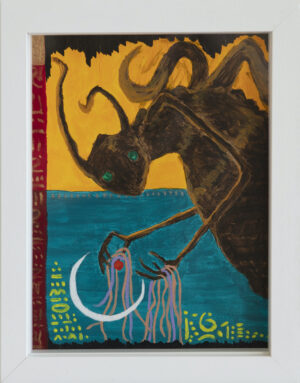
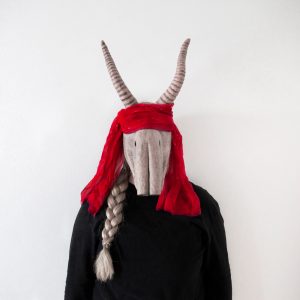
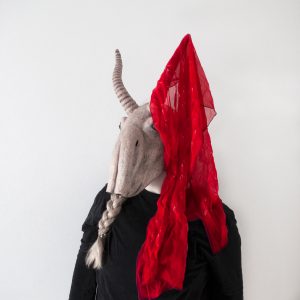
Sarvet edustavat teoksissa ikiaikaista voimaa, erityisesti naisissa asuvaa alkuvoimaista energiaa. Teoksessa Juuret Vuoksi muodostaa taustan, ja peilin alareunan valkoinen kuvio on pelkistetty symbolinen esitys Lehtimäen talosta. Teoksessa esiintyvät kasvit ovat Karjalassa kasvavia lajeja. Teoksen tumma alue viittaa sekä historialliseen että nykyhetken uhkaan idästä.
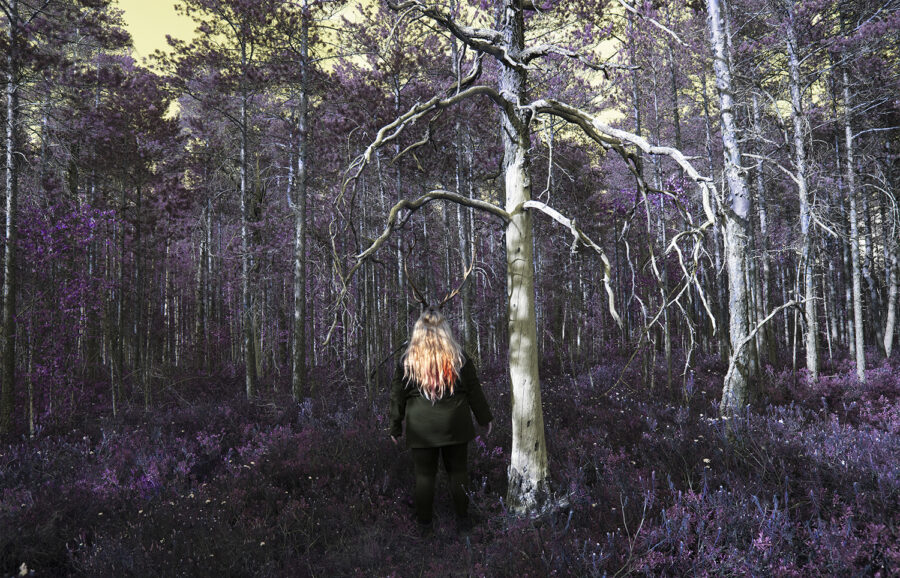
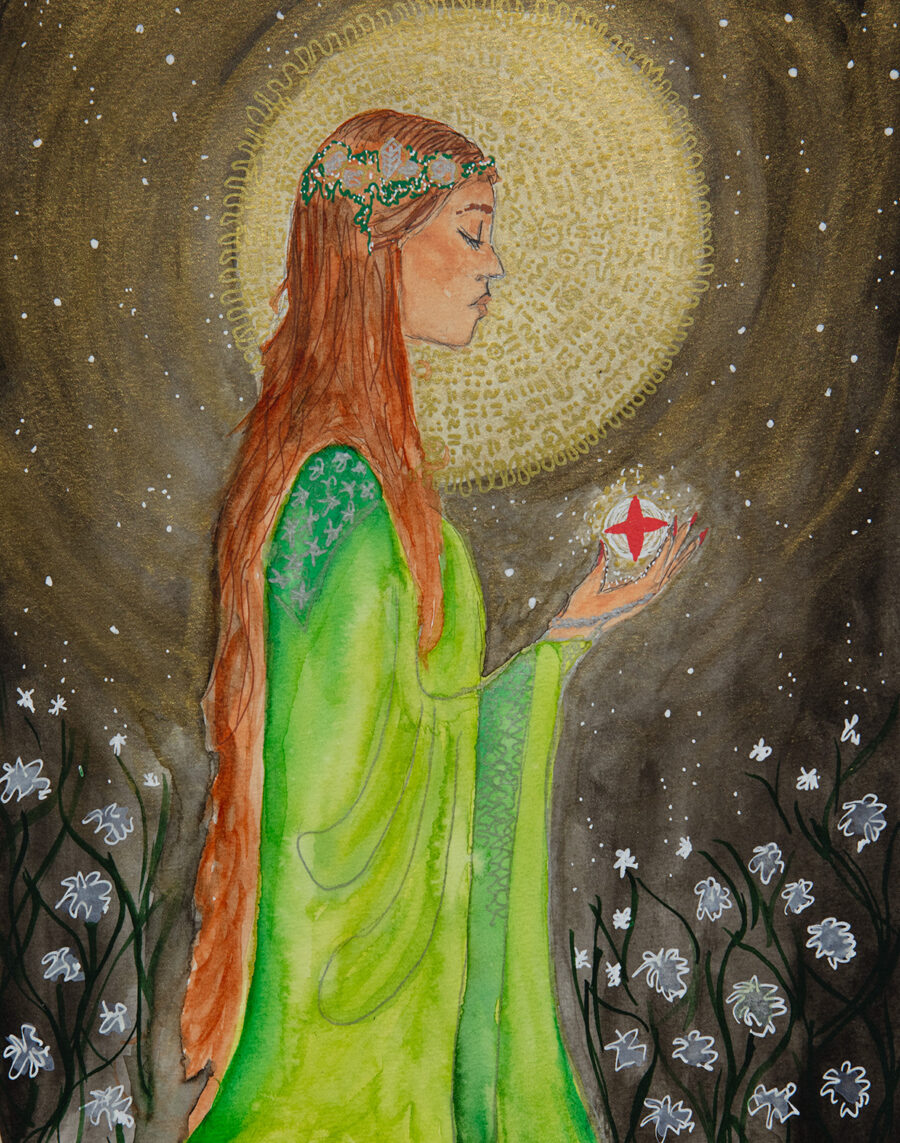
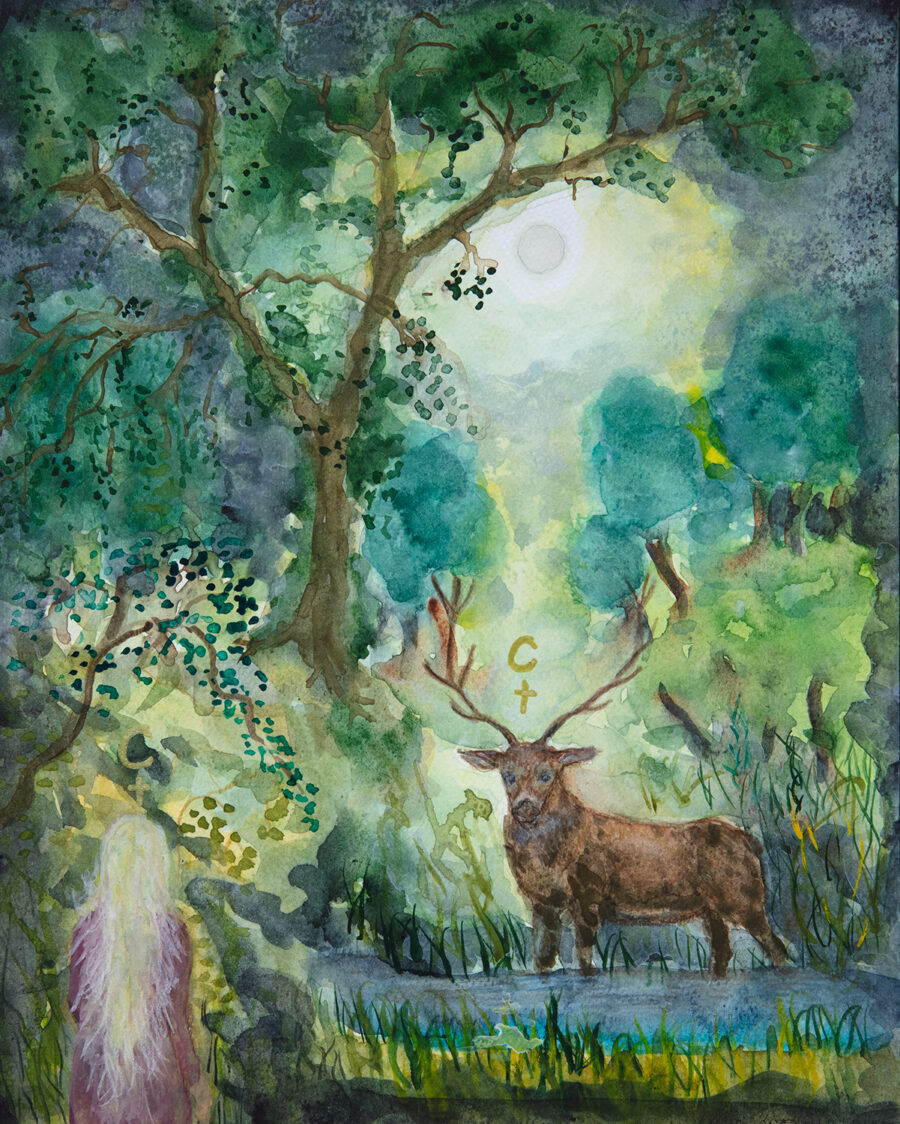
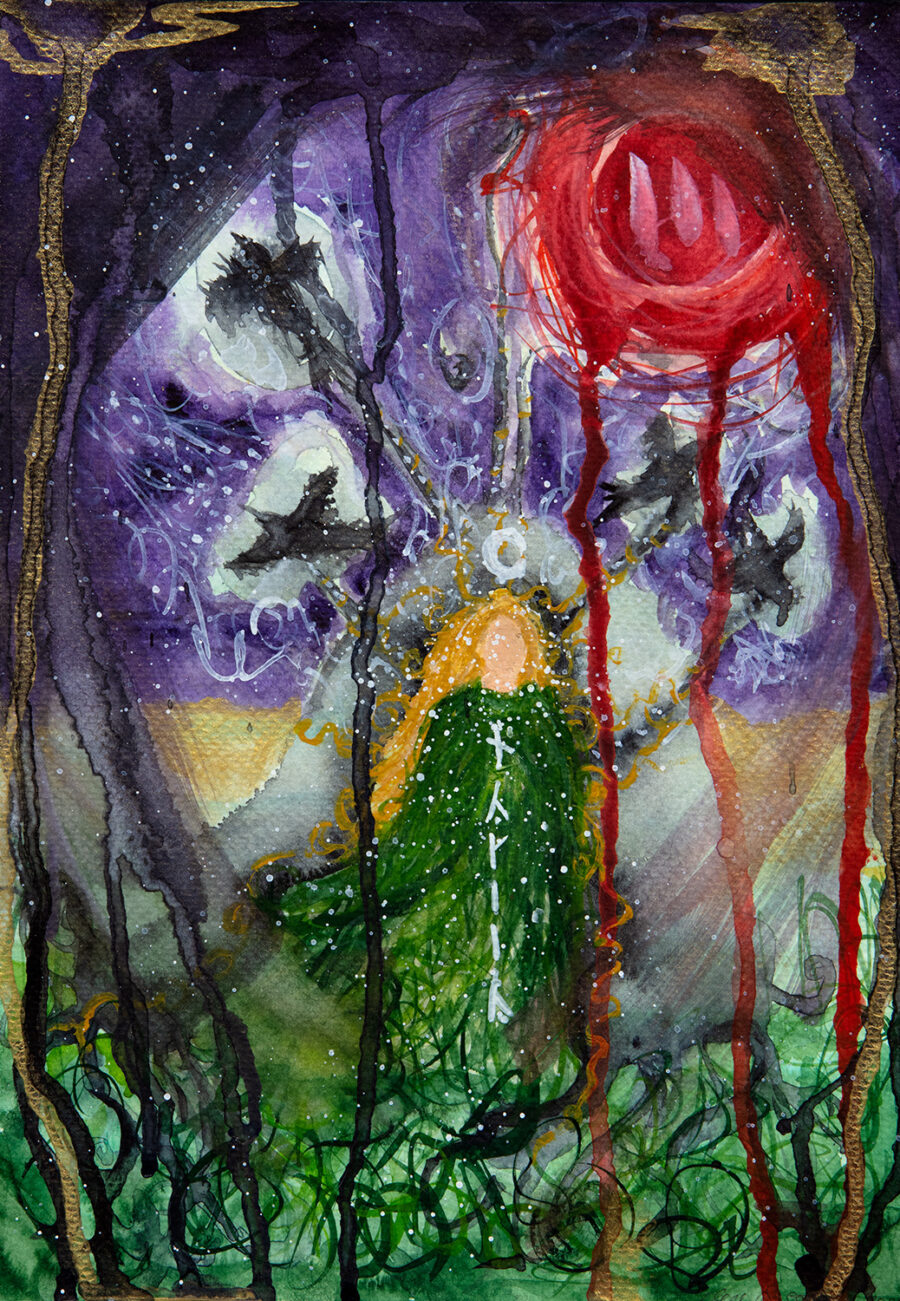
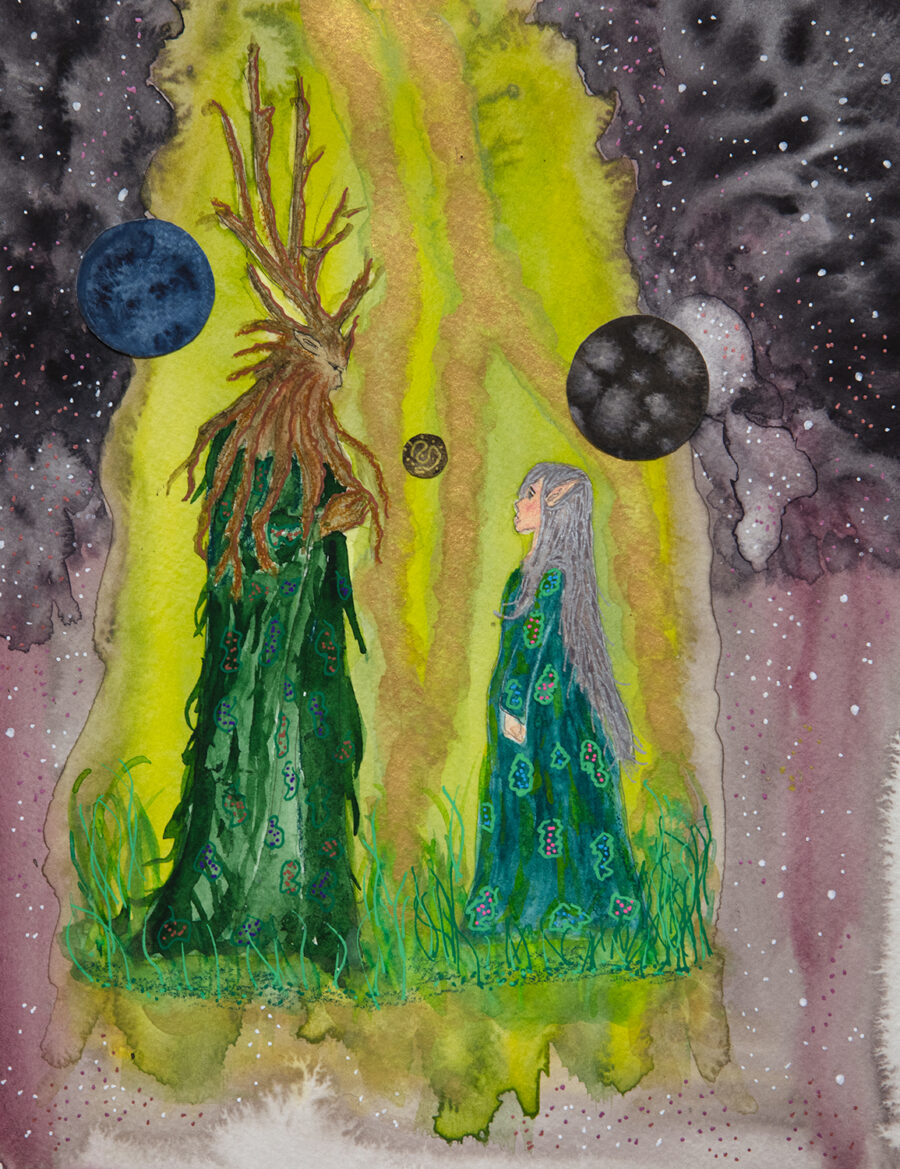
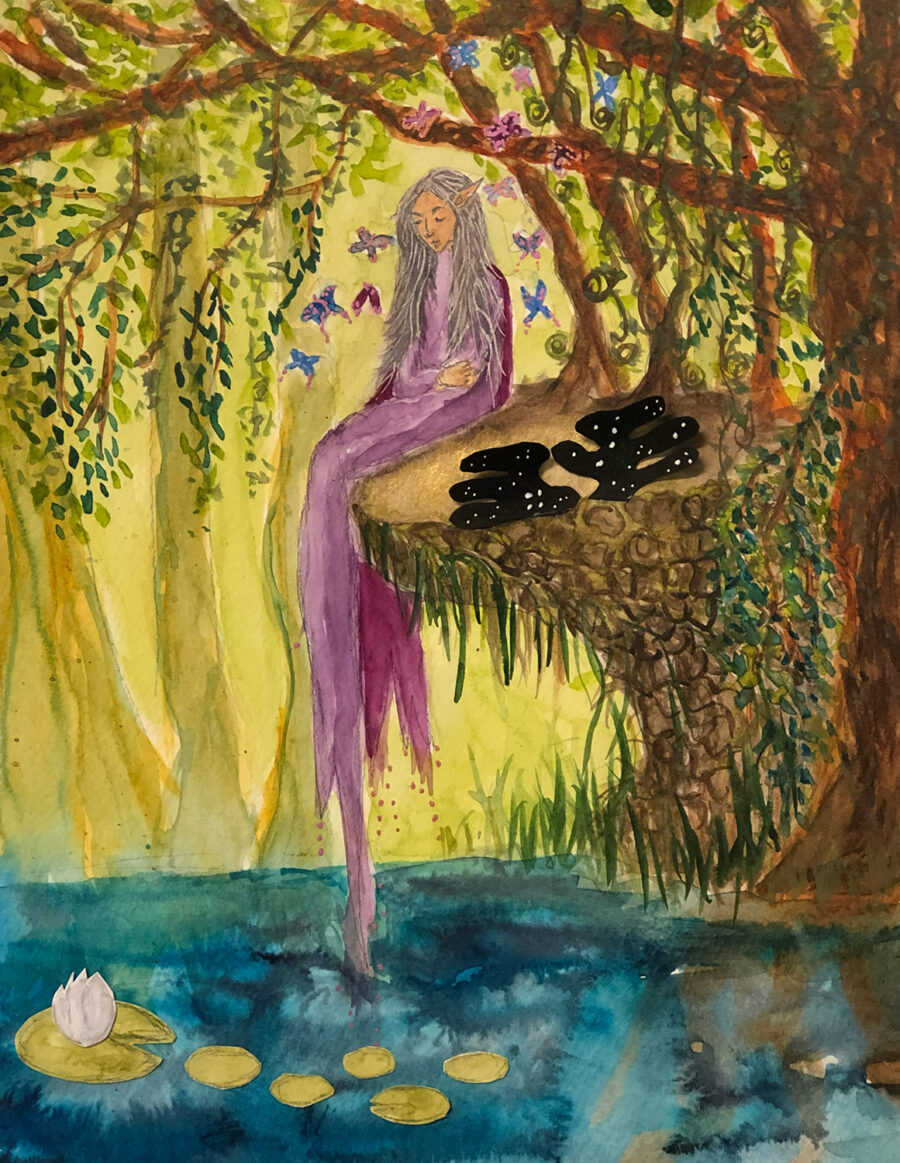
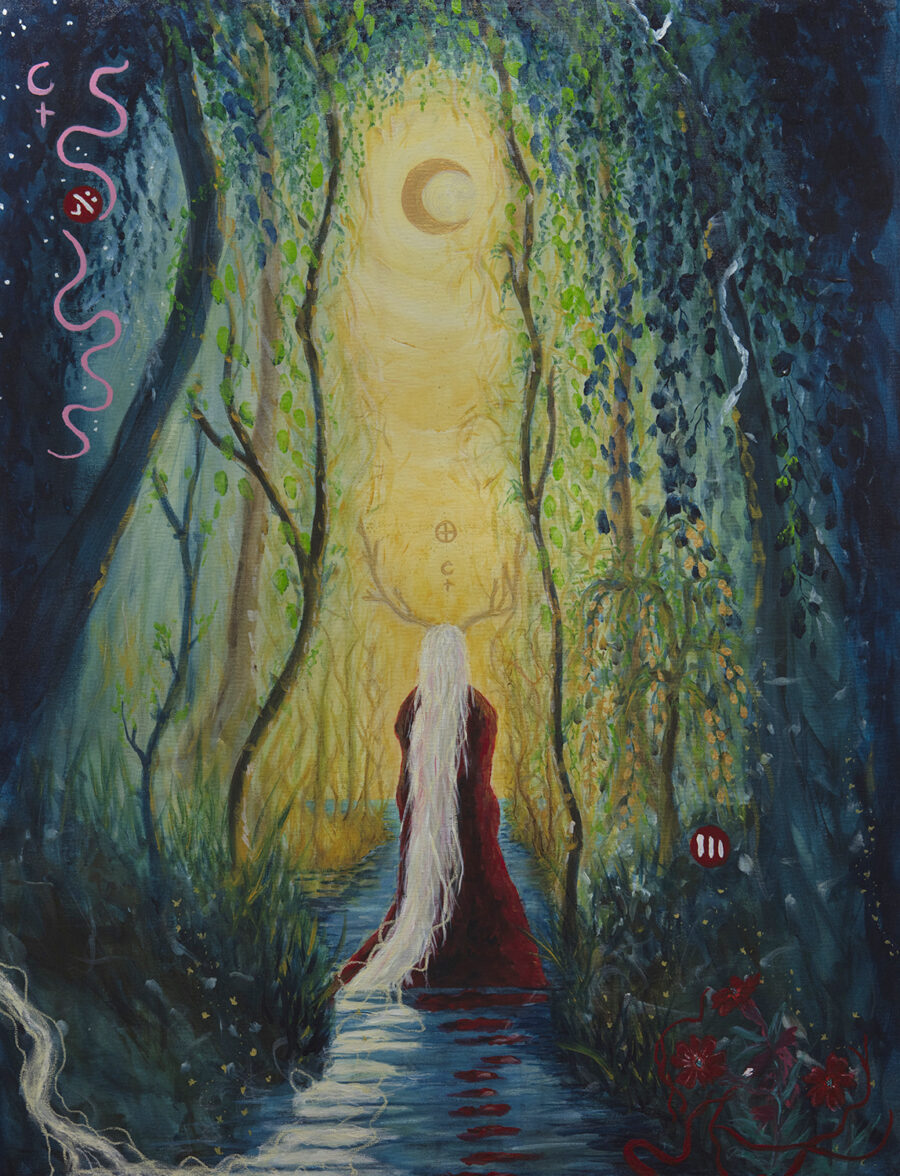
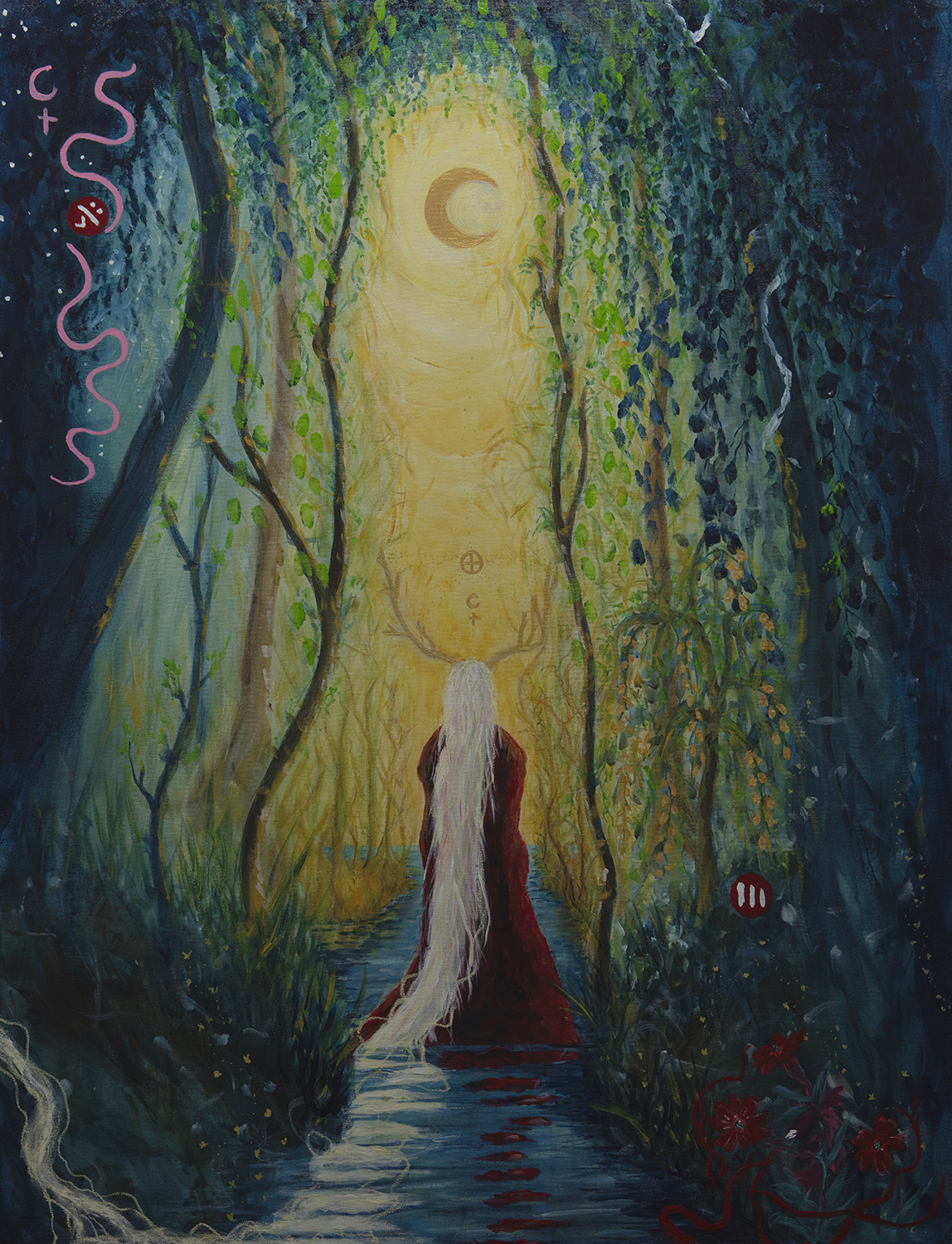
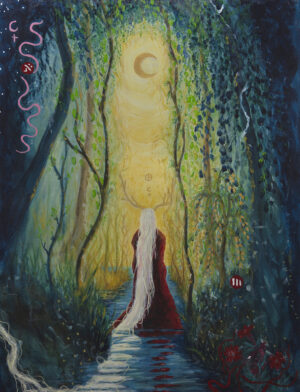
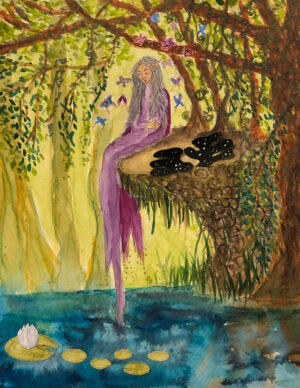
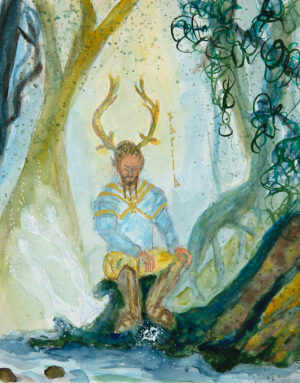
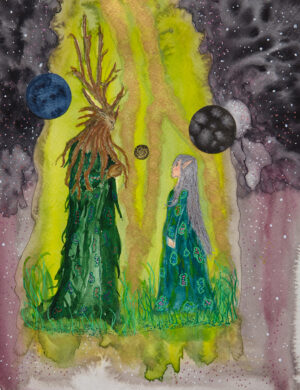
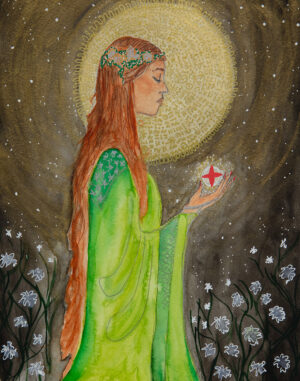
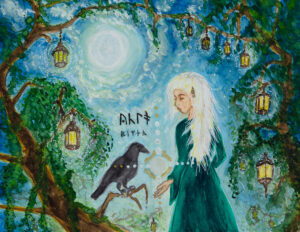
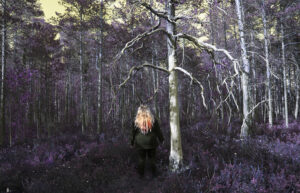
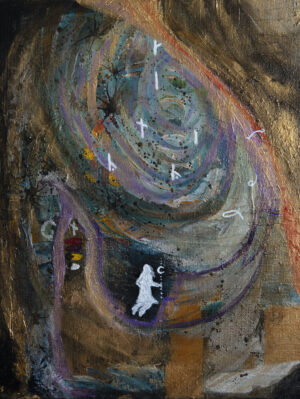
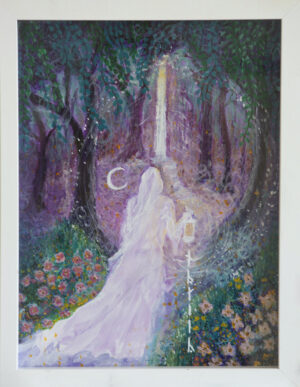
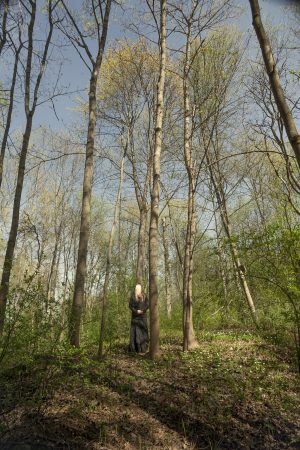
Teos Näkijä Anna perustuu taiteilijan isoisoäitiin, joka ilmestyi uneen tuoden puolukoita Karjalan metsistä. Anna tunnettiin voimakkaana hyvän puolustajana, heikompien suojelijana sekä luonnon monimuotoisuuden ja sen kanssa tasapainossa elämisen vaalijana. Metsä oli keskeinen osa hänen ja koko suvun elämää.
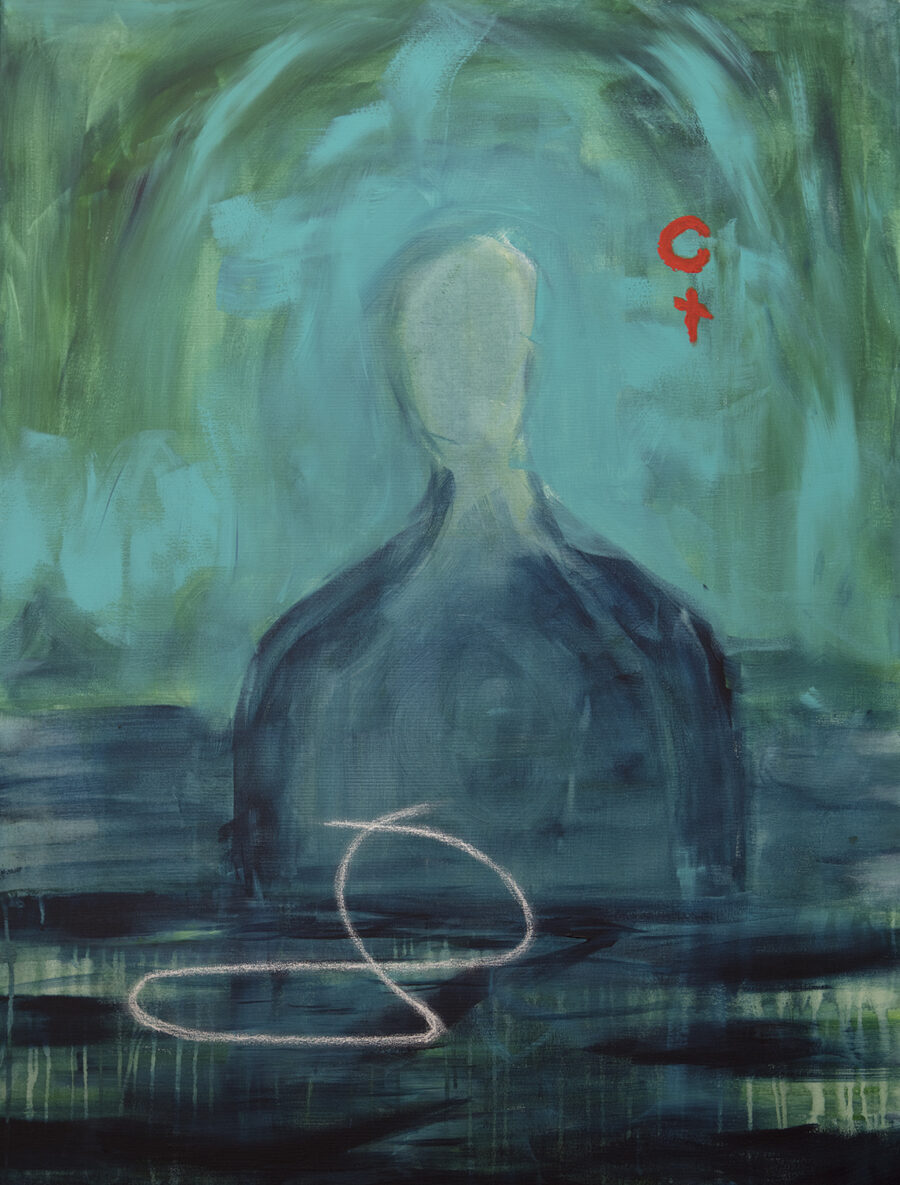
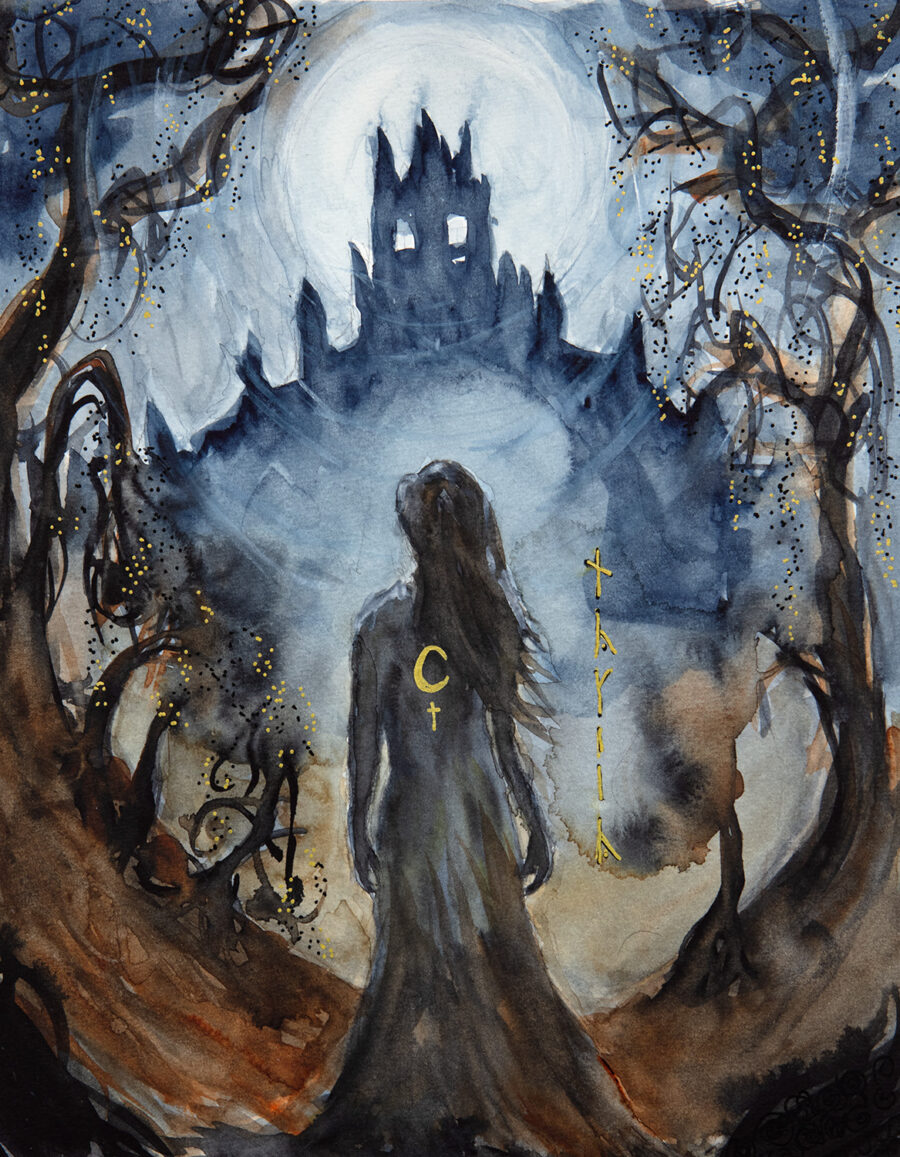
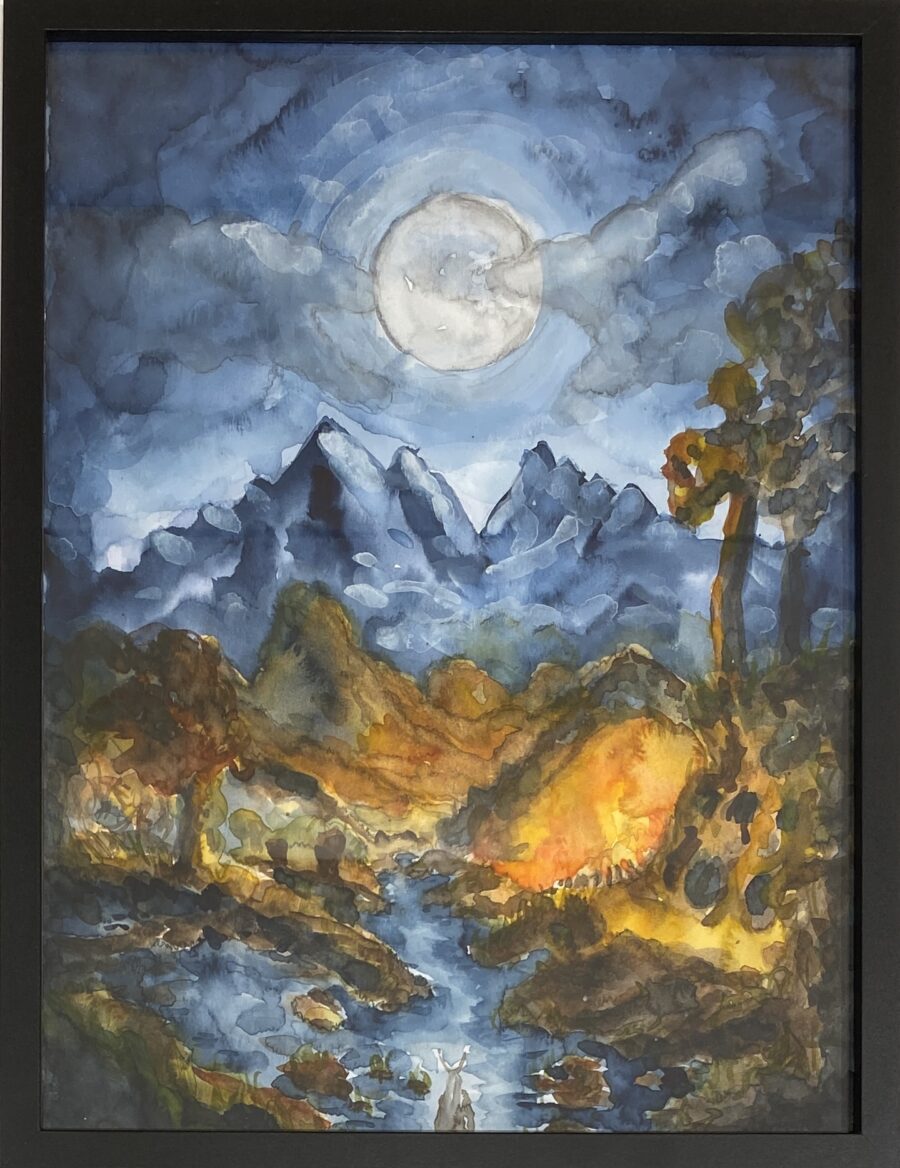
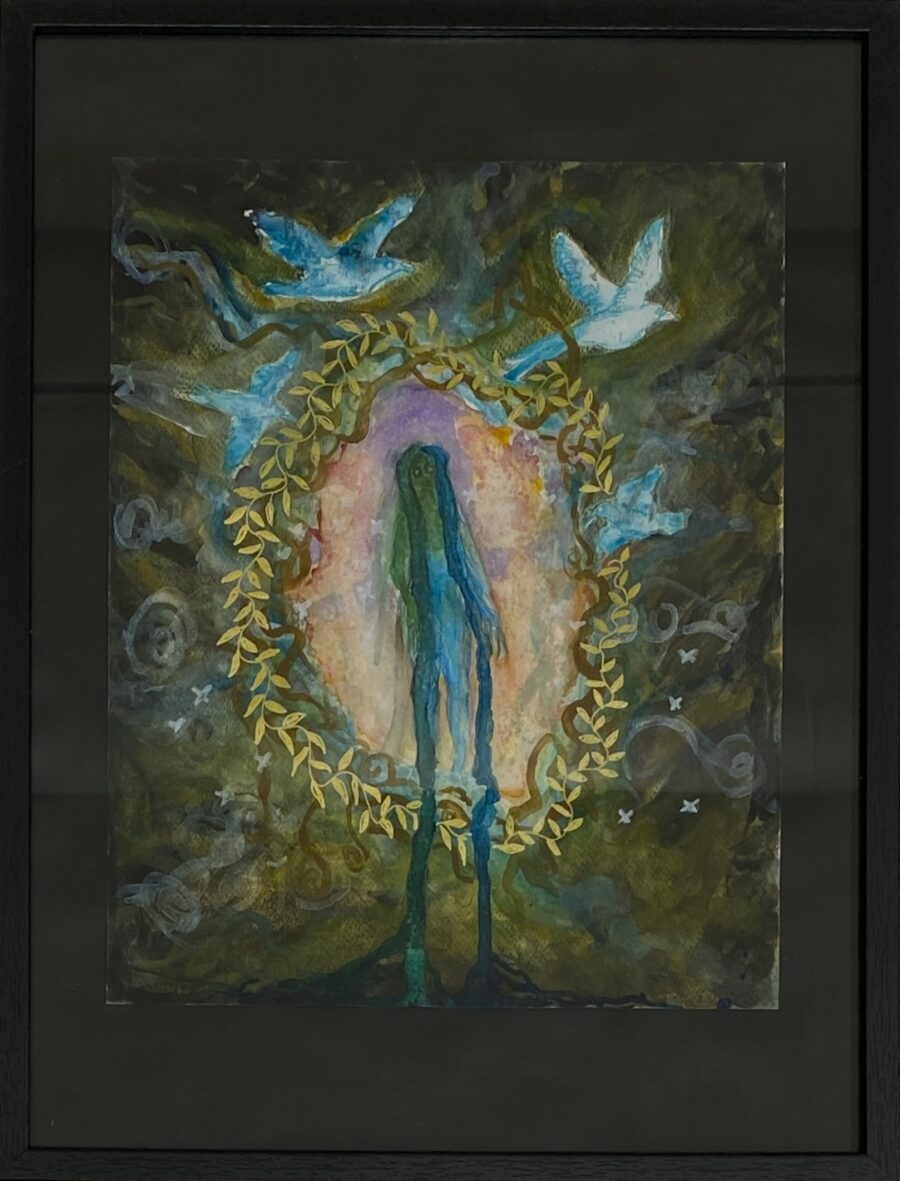
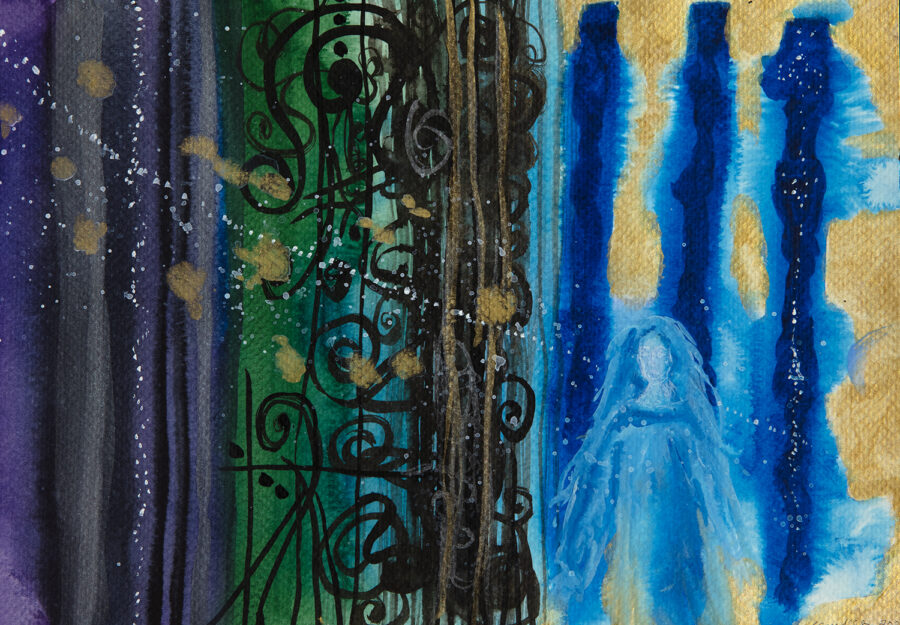
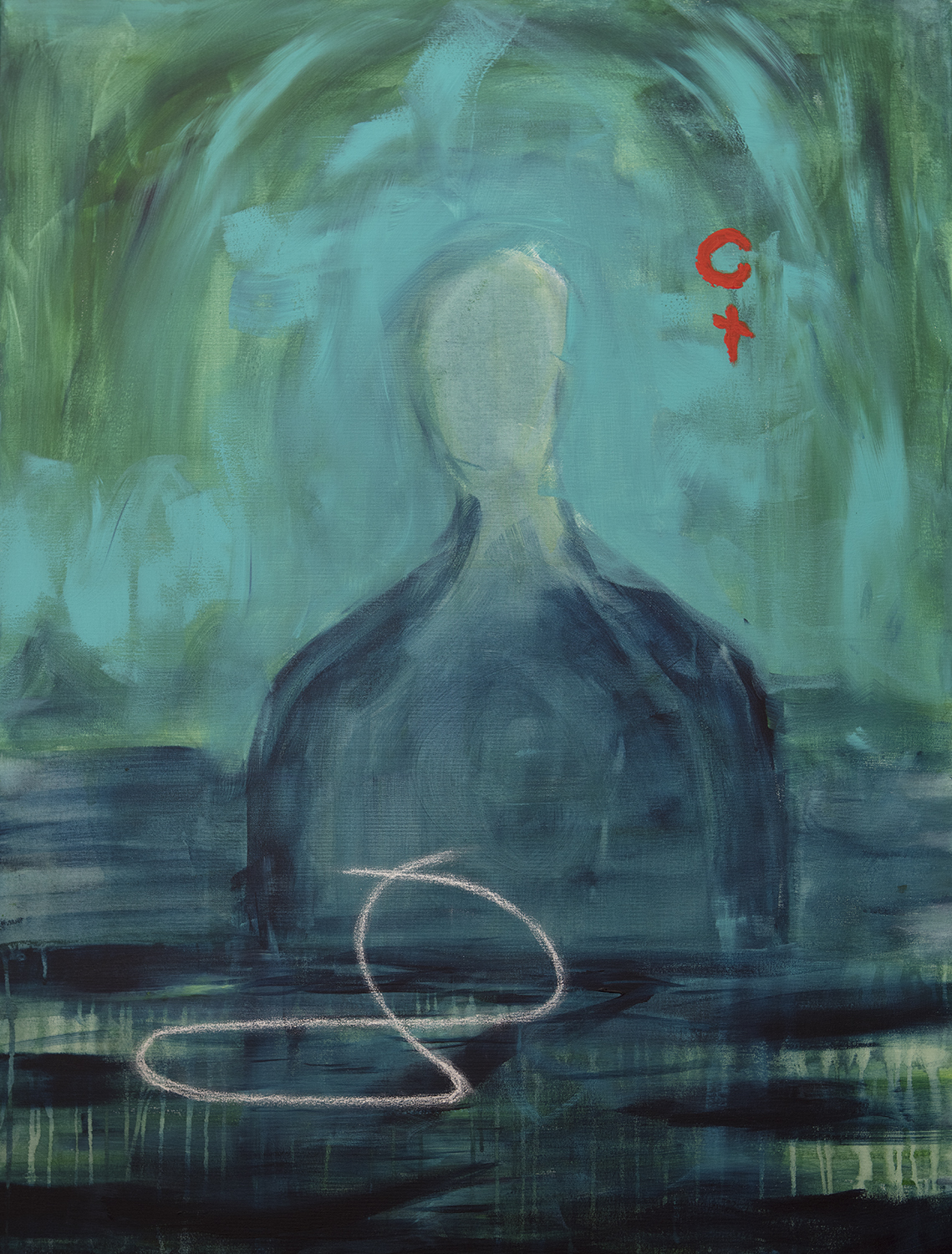
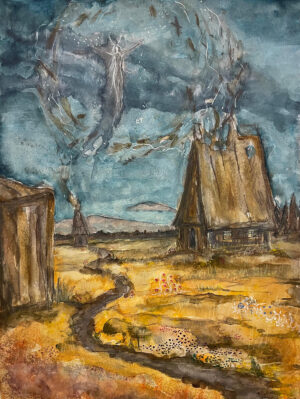
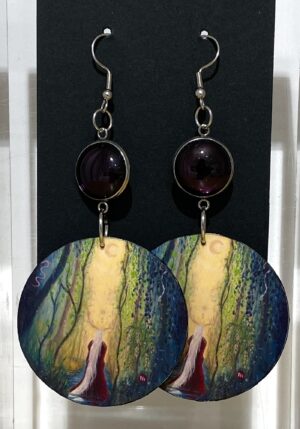
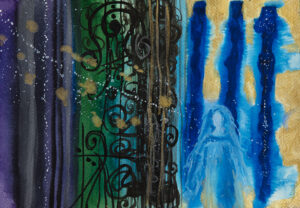
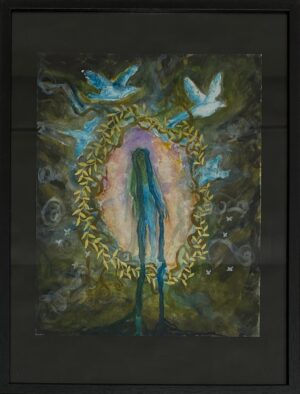
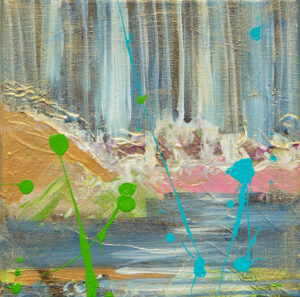
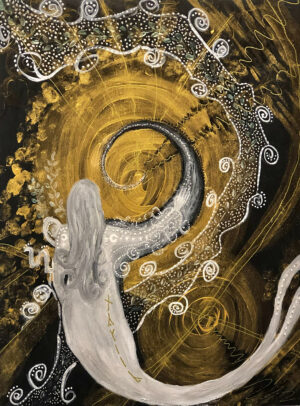
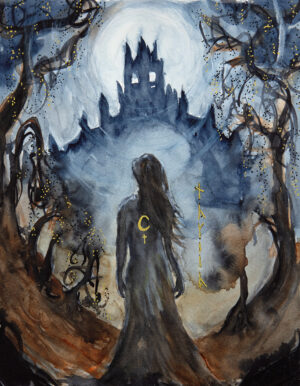
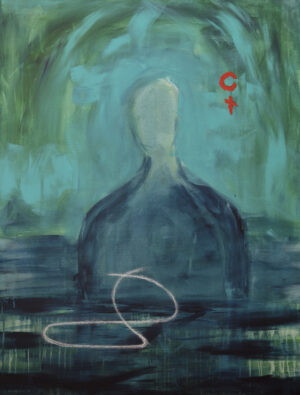
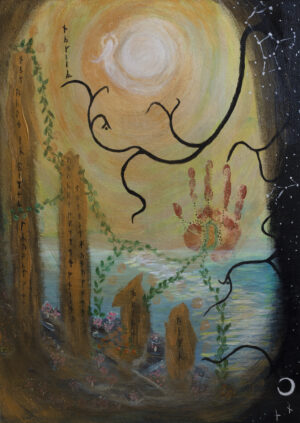
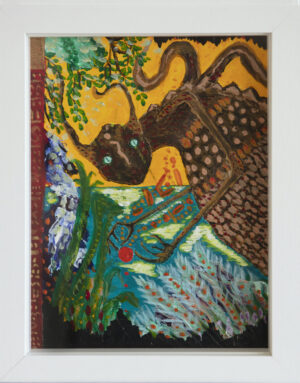
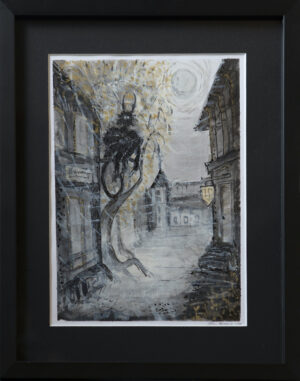
Sana vallaija on karjalan murretta ja tarkoittaa edestakaisin kulkemista, vaeltamista. Vallaija on henkihahmo, joka palaa Vuoksen sinisiin syvyyksiin ja liikkuu tämän hetken ja menneisyyden välillä. Se tuo mukanaan henkäyksen, ajatuksen menneestä sekä aavistuksen tulevasta – niille, jotka osaavat pysähtyä sen eteen.
Näyttely kokonaisuudessaan käsittelee luontoyhteyden katkeamista ja mahdollisuutta sen uudelleen löytämiseen. Teokset eivät pyri vastaamaan kysymyksiin, vaan avaamaan tilan kokemukselle ja muistamiselle. Maamme – ja maapallomme – ei kestä nykyisenkaltaista kulutusta ja tuhoamista. Tasapaino luonnon kanssa ei ole menneisyyteen kuuluva ajatus, vaan välttämätön edellytys tulevaisuudelle.
———-
The Seer – Tell Me About the Forest You Once Called Home
Minna Lehtimäki is a visual artist whose practice is grounded in intuition and imagery emerging from the subconscious. Through these inner processes, her works also connect to Karelian cultural heritage, ancestral roots beyond the eastern border, and themes related to shamanism and ancient belief systems. In her art, personal and collective memory intertwine, while nature – especially water and forest – functions as both a symbolic and spiritual space.
The works in the exhibition draw from an intuitive process in which the subconscious, dreams, and traces of memory guide the formation of imagery. Karelian culture, language, and landscape form part of this inner terrain: the titles of the works are often in the Karelian language, and the imagery refers to family history, shamanistic traditions, and ancient cosmologies. Water appears repeatedly in the works as the Vuoksi River – the river from whose banks the Lehtimäki family was forced to leave. Dream imagery serves as the starting point for many of the works, and symbolism is deeply embedded throughout the practice.
Horns represent ancient power in the works, particularly the primal energy residing within women. In Juuret (Roots), the Vuoksi forms the background, and the white pattern at the lower edge of the mirror is a simplified symbolic representation of the Lehtimäki family home. The plants depicted in the work are species native to Karelia. The darker area of the painting refers to both a historical and a present-day threat from the East.
The work Näkijä Anna (Anna the Seer) is based on the artist’s great-great-grandmother, who appeared in a dream bringing lingonberries from the forests of Karelia. Anna was known as a strong defender of good, a protector of the vulnerable, and a guardian of biodiversity and living in balance with nature. The forest was a central part of her life and of the artist’s family.
The word vallaija comes from a Karelian dialect and means to move back and forth, to wander. Vallaija is a spirit figure who returns to the blue depths of the Vuoksi River and moves between the present moment and the past. It carries a breath, a thought from what has been, and a sense of what is yet to come — for those who know how to pause before it.
As a whole, the exhibition reflects on the severed connection between humans and nature and the possibility of rediscovering it. The works do not seek to provide answers, but to open a space for experience and remembering. Our country — and our planet — cannot endure the current levels of consumption and destruction. Balance with nature is not an idea of the past, but a necessary condition for the future.
Lisätietoja: Galleria G12 | Annankatu 16, Helsinki | 044 717 7177 | ti-to 12-17, pe-su 12-16 | info@galleria12.fi
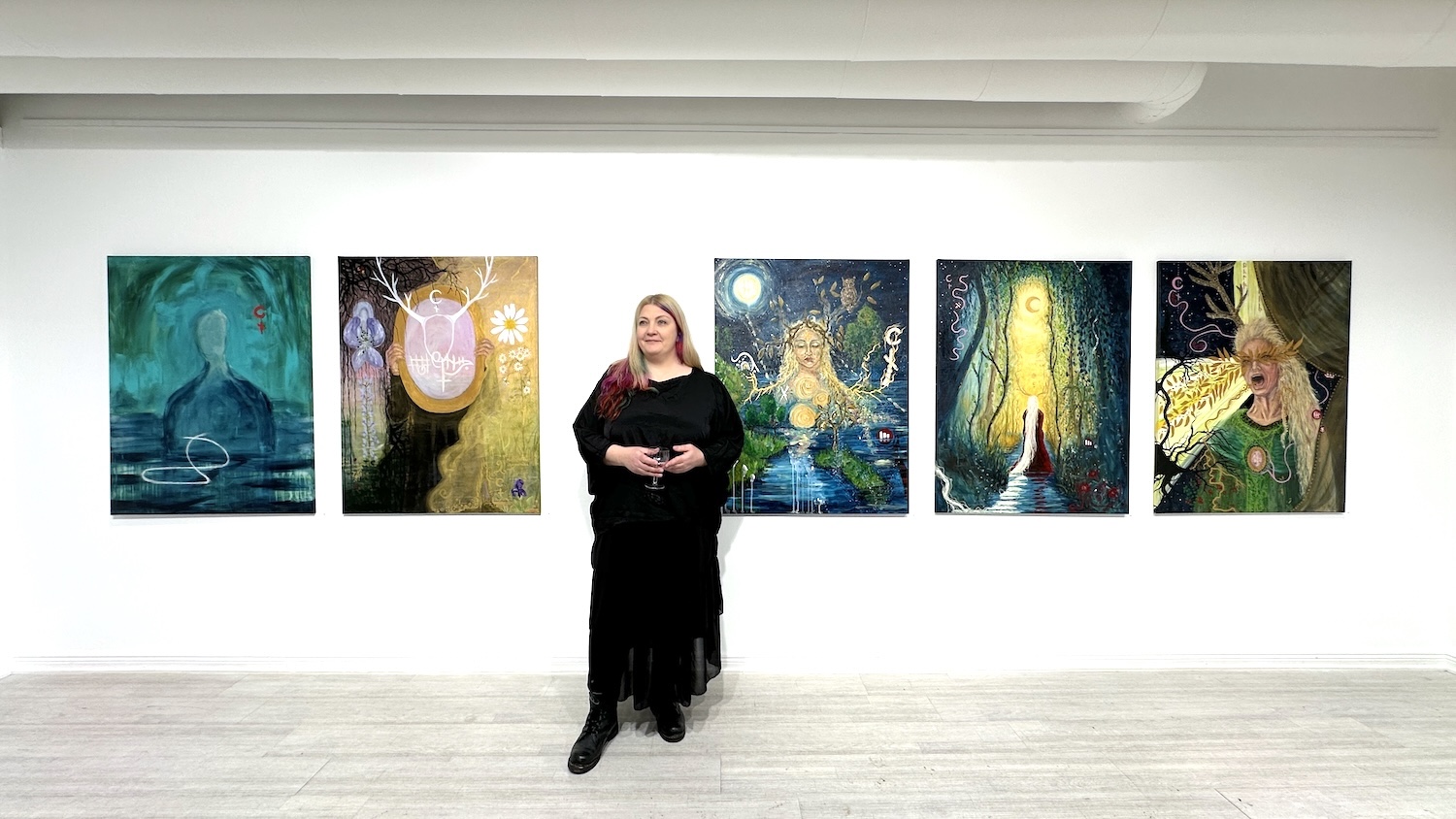
 esillä näyttelyssä


Hae taiteilijaa, teoksen nimeä tai avainsanaa